Trying to choose between the Highlands and Crescent Hill? You are not alone. Both are longtime Louisville favorites, and at first glance they can seem surprisingly close in price and appeal. The difference is less about which one is "better" and more about which one fits the way you want to live day to day. This guide will help you compare street feel, housing stock, walkability, parks, and market pace so you can tour with more clarity. Let's dive in.
Highlands vs Crescent Hill at a Glance
If you want a quick shorthand, the Highlands tends to offer more energy, stronger walkability, and a more mixed-use feel. Crescent Hill tends to offer historic character, tree-lined streets, and a calmer residential rhythm.
That does not mean one neighborhood is busy and the other is sleepy. Both offer local dining, historic homes, and strong in-town appeal. The real difference shows up in how the streets feel, what kind of housing you see block to block, and how close you want to be to commercial corridors.
Highlands Street Feel
The Highlands is often the better starting point if you want urban buzz and easy access to restaurants, coffee shops, boutiques, galleries, bars, and nightlife. Louisville Tourism describes it as the city's original Restaurant Row, with Bardstown Road at the center of that activity.
The neighborhood also has a more mixed pattern of residential and commercial spaces. According to Louisville Metro and the Original Highlands Neighborhood Association, Bardstown Road, Baxter Avenue, and Barret Avenue anchor much of the area's restaurant and nightlife activity, while the broader neighborhood includes a mix of historic homes and multi-family residences.
On paper, the Highlands also comes across as the more walkable option. Current Redfin data gives it a Walk Score of 81, which is labeled Very Walkable.
Crescent Hill Street Feel
Crescent Hill usually feels more corridor-centered and residential. Frankfort Avenue serves as the main thoroughfare, and Louisville Tourism describes the area as having historic homes and buildings, tree-lined streets, alfresco dining, and locally owned shops.
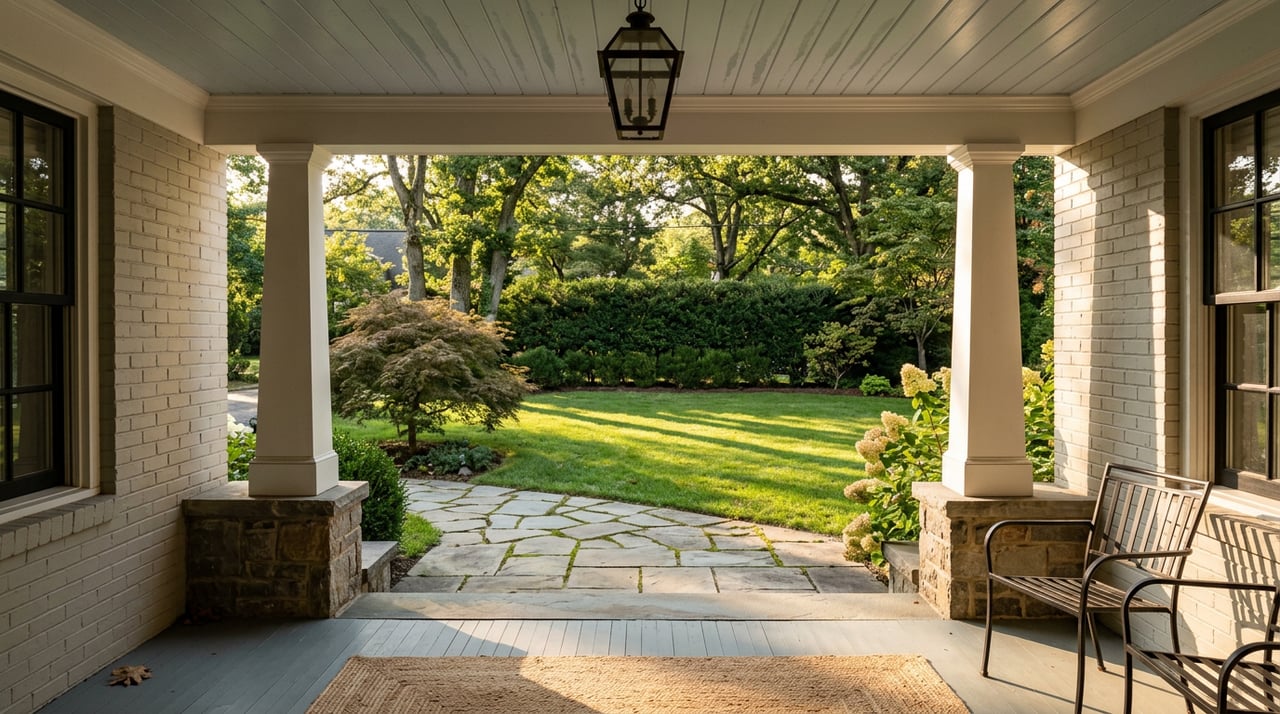
The neighborhood has a distinct club-like identity that many buyers notice right away. The Crescent Hill Community Council emphasizes preservation of the area's historic character and natural beauty, which fits the neighborhood's calmer, porch-friendly atmosphere.
Crescent Hill is still convenient, but it reads differently from the Highlands. Redfin currently gives it a Walk Score of 60, which is labeled Somewhat Walkable.
Comparing Home Styles
Highlands Architecture
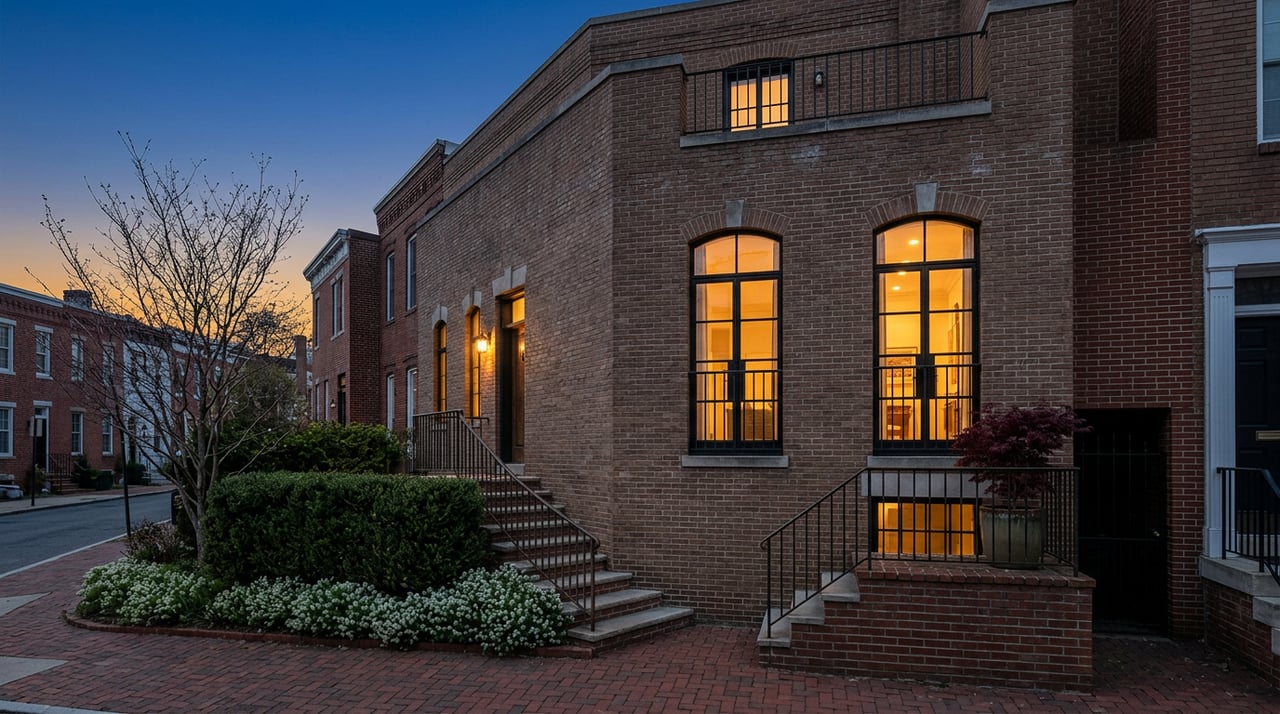
The Highlands offers a wide mix of housing types. The Original Highlands Neighborhood Association describes the area as a diverse collection of historic homes, especially from the Victorian era, along with modern and historic multi-family residences.
Louisville Metro's neighborhood plan adds more detail to that picture. Highland Avenue and Hepburn Avenue are known for large Victorian homes, while Winter Avenue is noted for mostly shotgun residences.
For buyers, that usually translates to more variation from one block to the next. You may see grand older homes, smaller historic residences, and properties closer to commercial activity, all within a relatively compact area.
Crescent Hill Architecture
Crescent Hill is known for a broad range of late 19th- and early 20th-century homes. The Crescent Hill Historic District nomination describes the area as a domestic district with a sylvan character and gently rolling topography.
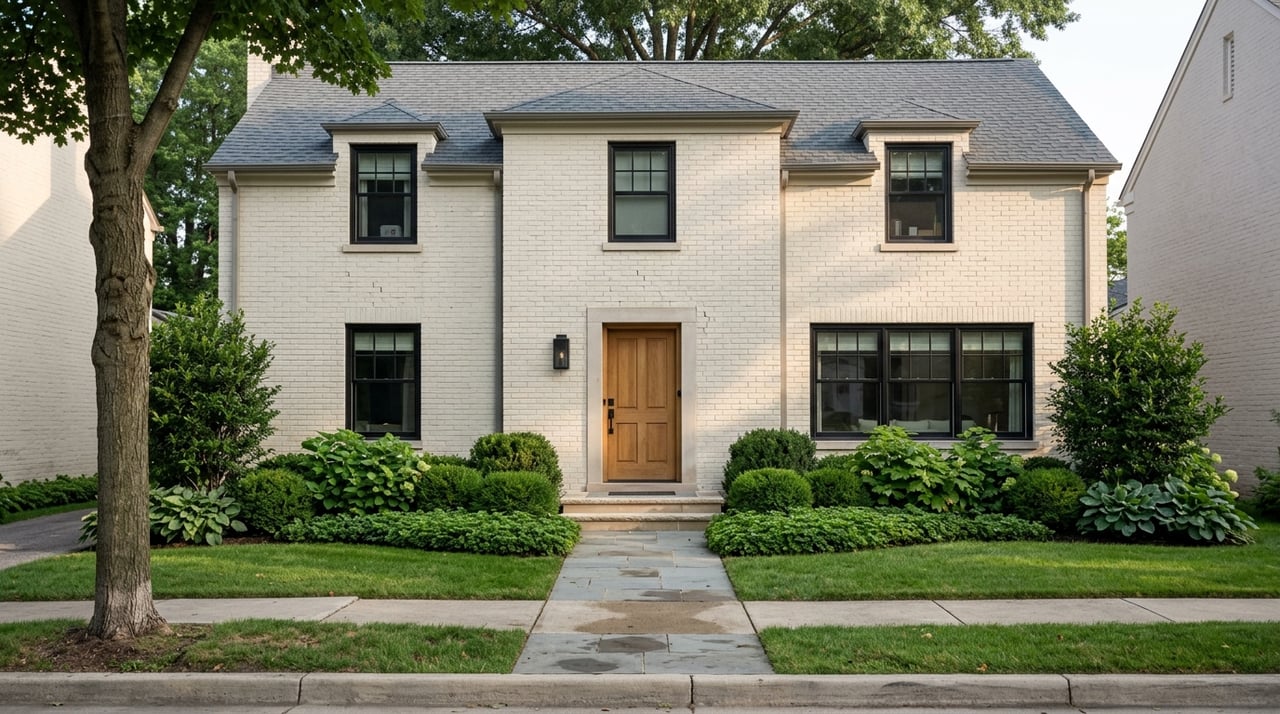
It also notes that Crescent Hill has the largest concentration of Craftsman-style dwellings in Louisville. Beyond Craftsman homes, the neighborhood includes American Four-Square, bungalow, Colonial Revival, Italianate, Gothic Revival, Art Deco, Mediterranean-influenced, and International Style examples.
In practical terms, Crescent Hill often feels a bit more house-centric. If you are drawn to front porches, mature trees, and a neighborhood setting where architecture takes center stage, Crescent Hill may be the stronger fit.
Restaurants, Shops, and Daily Convenience
Highlands Amenities
If your ideal weekend starts with coffee, moves into shopping or brunch, and ends with dinner without much driving, the Highlands has a strong case. Bardstown Road and nearby corridors create an active commercial spine that many buyers value for day-to-day convenience.
This is also the neighborhood that tends to win on sheer variety and intensity of activity. If you want to be near nightlife and a steady flow of local businesses, the Highlands often feels more immediate and more animated.
Crescent Hill Amenities
Crescent Hill offers a different version of convenience. Frankfort Avenue is one of Louisville's noted Restaurant Rows, and the area is known for locally owned shops, dining, and a more relaxed commercial rhythm.
For many buyers, that balance is the appeal. You still have places to go and things to do, but the setting often feels a little more neighborhood-oriented than nightlife-oriented.
Park Access and Outdoor Spaces
Parks can be a major deciding factor, especially if you want everyday access to green space.
In the Highlands, Cherokee Park is a standout amenity. Louisville Metro describes it as an original Olmsted park with a 2.3-mile Scenic Loop, 389.13 acres, and rolling hills and woodlands. Tyler Park is another Olmsted park in the area, with 13 acres and long-standing neighborhood appeal.
In Crescent Hill, the park identity is especially strong for a residential neighborhood. Crescent Hill Park spans 77 acres and includes golf, tennis, pickleball, swimming, and a sprayground. The Crescent Hill Reservoir and Gatehouse offer a nearly one-mile walking loop, and Crescent Hill Golf Course is a centrally located 9-hole course.
If your park priorities lean toward large scenic parkland, the Highlands has a compelling edge with Cherokee Park. If you want recreation options woven into a neighborhood setting, Crescent Hill offers a very strong lineup.
What the Market Data Suggests
Headline pricing between the two neighborhoods is very close right now. Redfin's latest snapshots show a median sale price of $401,865 in the Highlands and $399,865 in Crescent Hill over the last three months ending May 2026.
That near tie is important because it means your decision may come down more to lifestyle and housing mix than to headline affordability alone. In other words, these neighborhoods can occupy a similar budget conversation while delivering a different living experience.
There is, however, a more noticeable gap in price per square foot. Redfin reports about $174 per square foot in the Highlands and about $238 per square foot in Crescent Hill.
That does not mean one is automatically a better value than the other. It more likely reflects differences in housing stock and property mix, so it is best to treat that comparison as directional rather than perfectly apples to apples.
Which Market Moves Faster?
The Highlands currently appears to move a little faster. Redfin labels it very competitive, with an average of 25 days on market.
Crescent Hill is labeled somewhat competitive, with an average of 35 days on market. That is still active, but it suggests the Highlands may require a slightly quicker decision-making pace in some situations.
For buyers, this matters when planning tours and making offers. For sellers, it matters when setting expectations around pricing, preparation, and timing.
Which Neighborhood Fits You Best?
If you are deciding where to tour first, it helps to match the neighborhood to your priorities.
Start with the Highlands if you want:
- Stronger walkability
- More nightlife and restaurant density
- A mixed-use, urban street feel
- Easy access to Bardstown Road and Baxter Avenue
- A housing mix that ranges from grand Victorians to smaller historic homes and multi-family options
Start with Crescent Hill if you want:
- Tree-lined streets and a calmer residential rhythm
- Historic homes with strong architectural variety
- Frankfort Avenue dining and locally owned shops
- A porch-friendly, house-centric setting
- Strong neighborhood park, reservoir, and recreation amenities
A Smart Way to Tour Both
If both neighborhoods are on your shortlist, try to see them at more than one time of day. A morning or early afternoon tour can help you focus on housing stock, street patterns, and traffic flow. An evening visit can show you how active the commercial corridors feel and whether that energy matches your comfort level.
It also helps to compare specific blocks rather than broad neighborhood labels. In both the Highlands and Crescent Hill, the feel can shift depending on how close you are to the main corridor, the size and age of homes on the block, and your proximity to parks or busier streets.
That kind of nuance matters, especially when you are balancing lifestyle goals, budget, and resale considerations. Clear neighborhood guidance can make that process much easier.
If you are weighing the Highlands against Crescent Hill, working with a local advisor who understands pricing, block-by-block differences, and the pace of each market can save you time and help you make a more confident decision. When you are ready to compare homes or map out a tour strategy, Laura Rice & Associates can help you navigate Louisville with calm, informed guidance.
FAQs
What is the main difference between the Highlands and Crescent Hill in Louisville?
The Highlands generally offers a more mixed-use, energetic, and walkable environment, while Crescent Hill generally offers a more residential feel with tree-lined streets, historic homes, and a calmer rhythm.
How do Highlands and Crescent Hill home prices compare?
Based on Redfin snapshots for the three months ending May 2026, the median sale price is very close: $401,865 in the Highlands and $399,865 in Crescent Hill.
Which Louisville neighborhood is more walkable, the Highlands or Crescent Hill?
The Highlands has the stronger current walkability rating, with a Walk Score of 81 compared with Crescent Hill's Walk Score of 60.
What kinds of homes are common in the Highlands?
The Highlands includes a mix of Victorian-era homes, large houses on streets like Highland Avenue and Hepburn Avenue, shotgun residences on some blocks, and both historic and modern multi-family properties.
What kinds of homes are common in Crescent Hill?
Crescent Hill is known for late 19th- and early 20th-century homes, especially Craftsman-style dwellings, along with bungalows, American Four-Squares, Colonial Revival homes, and other historic styles.
Which neighborhood has better park access, the Highlands or Crescent Hill?
Both have strong park access, but the experience differs. The Highlands is closely tied to Cherokee Park and Tyler Park, while Crescent Hill offers Crescent Hill Park, the reservoir walking loop, and a 9-hole golf course within a neighborhood setting.