765,842 people live in Louisville, where the median age is 38.4 and the average individual income is $40,225. Data provided by the U.S. Census Bureau.
Total Population
Median Age
Population Density Population Density This is the number of people per square mile in a neighborhood.
Average individual Income
Louisville, KY real estate draws buyers who want a city with deep cultural roots, affordable living, and neighborhoods that actually feel like neighborhoods. Sitting on the banks of the Ohio River, Louisville is a place where bourbon heritage, world-class parks, and a genuine sense of community shape daily life. Whether you're relocating for work, raising a family, or looking for a walkable urban pocket with character, Louisville delivers without the price tag of larger metros.
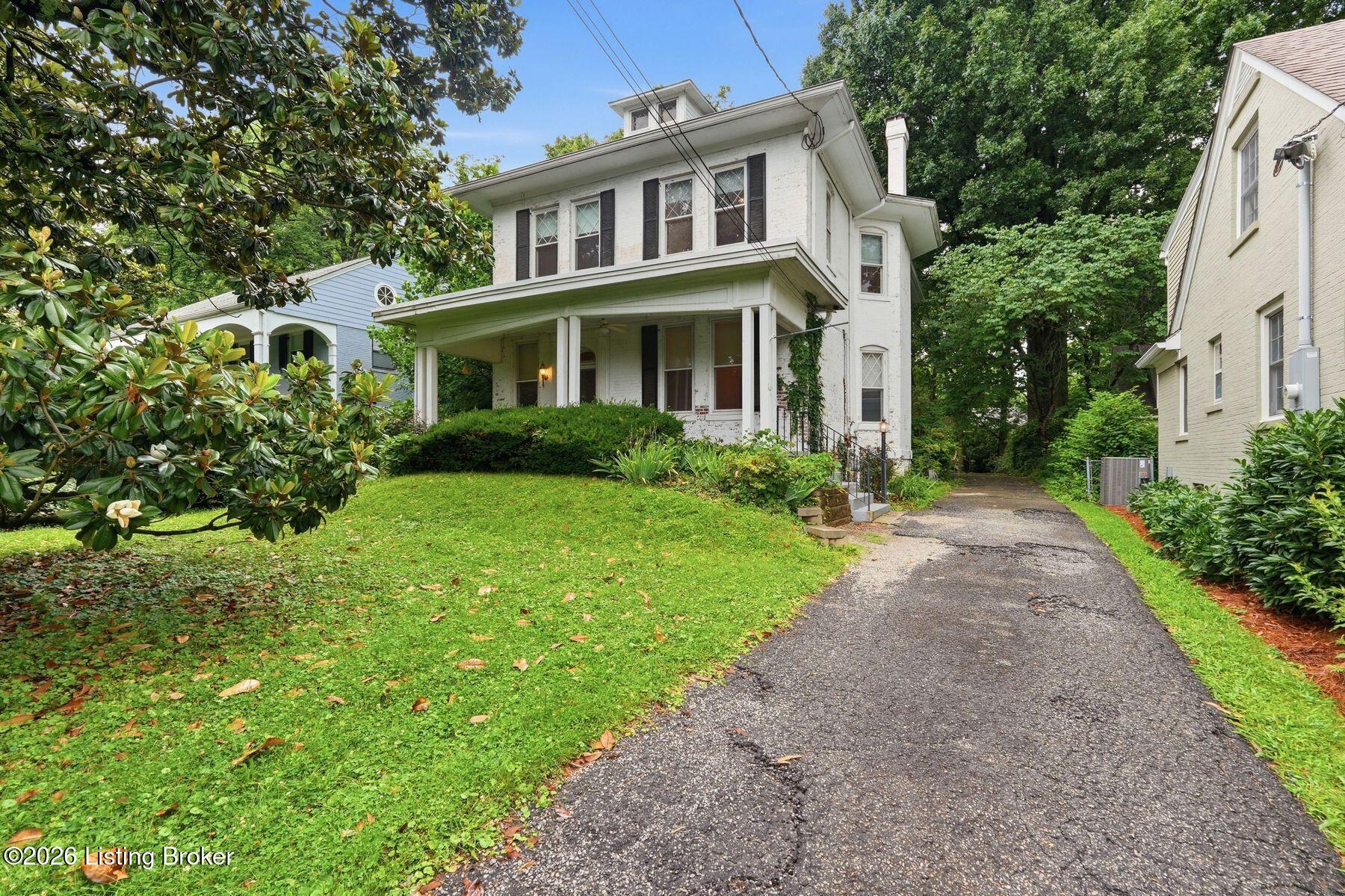
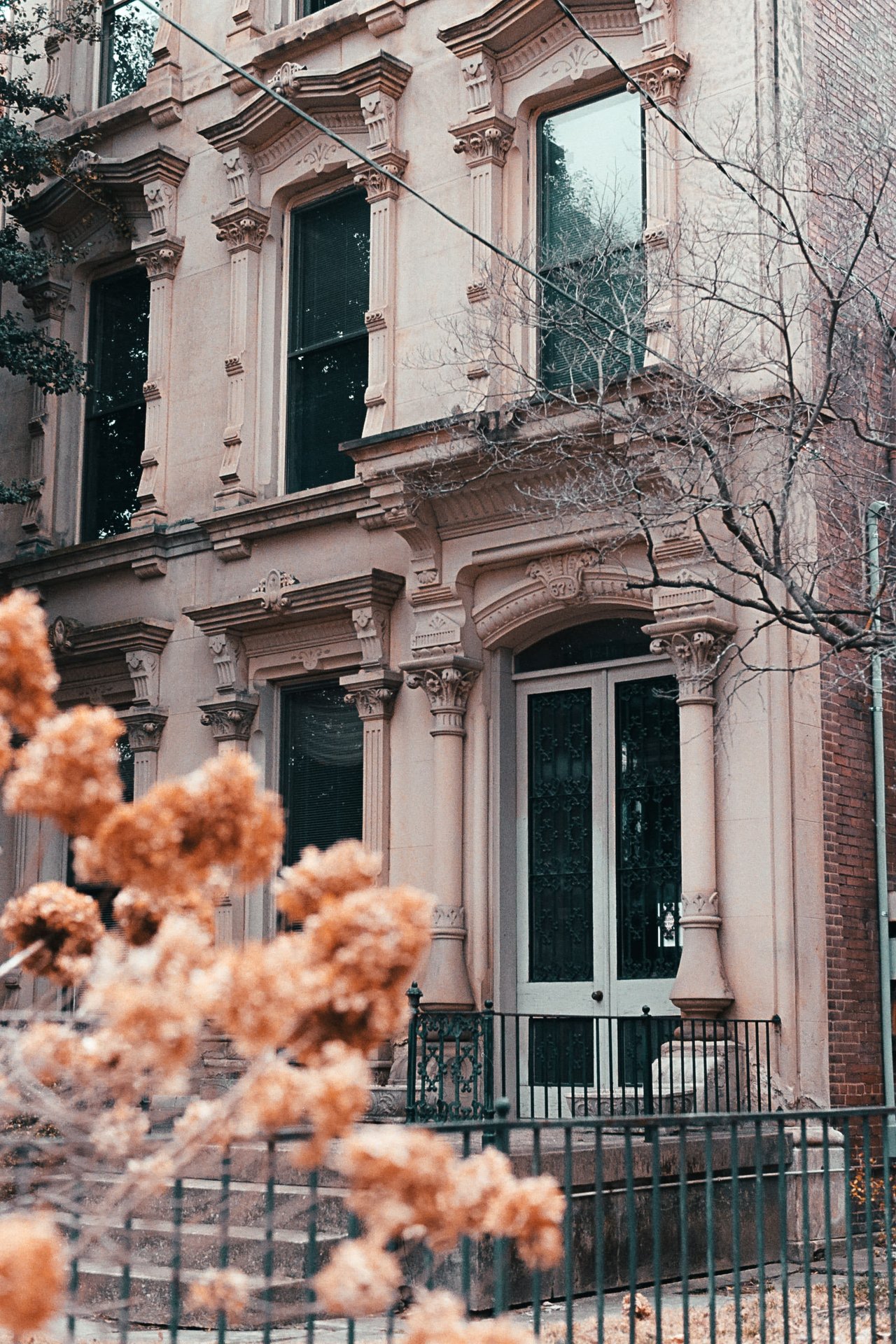
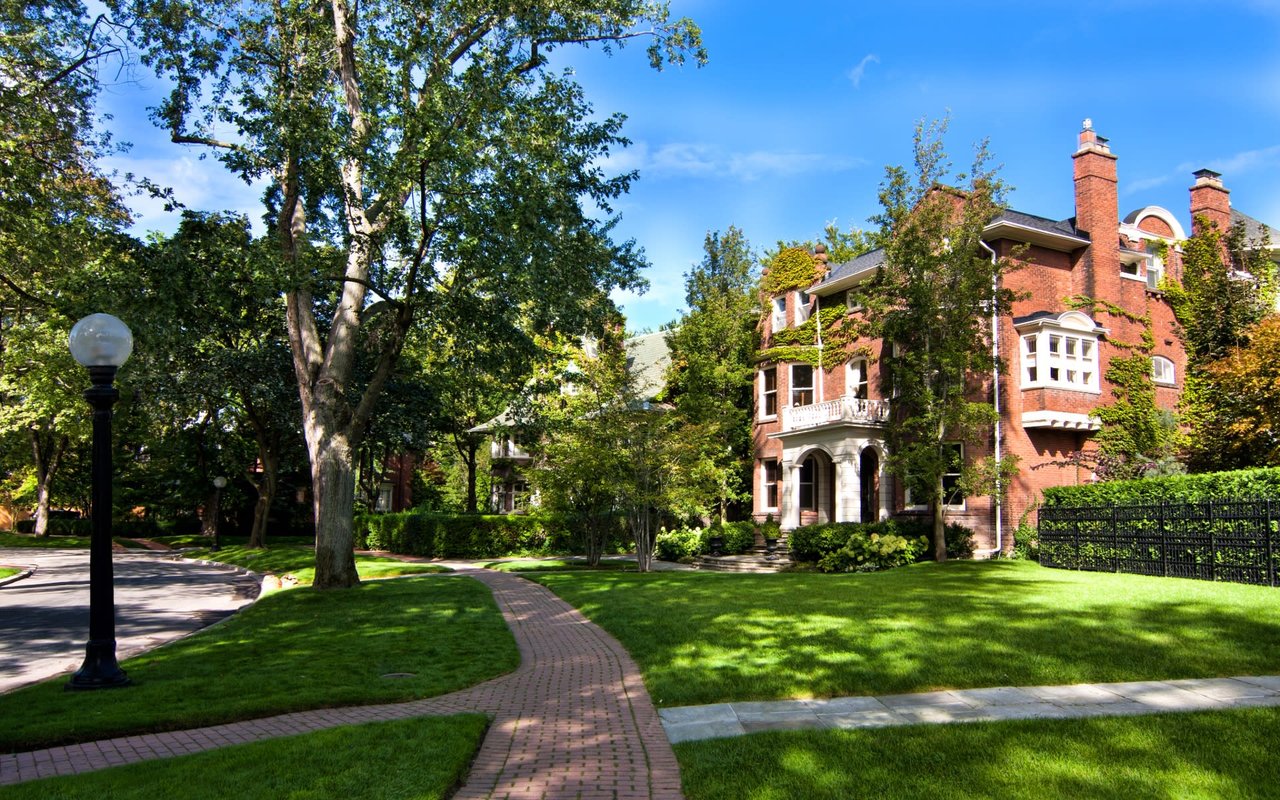
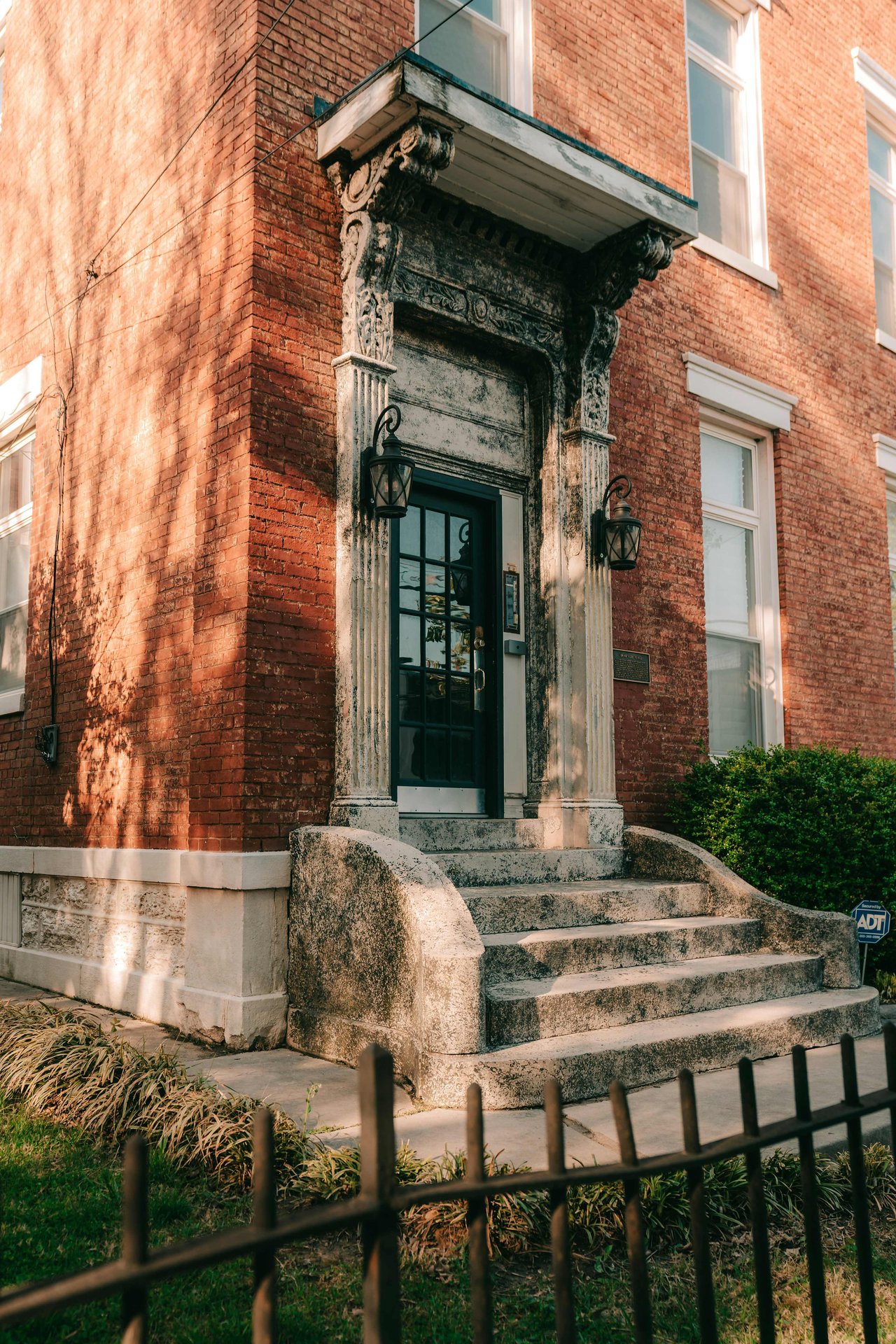
Louisville's housing stock reflects the city's layered history. You'll find everything from Victorian-era mansions in Old Louisville (the third-largest historic preservation district in the U.S.) to brand-new construction in planned communities further east.
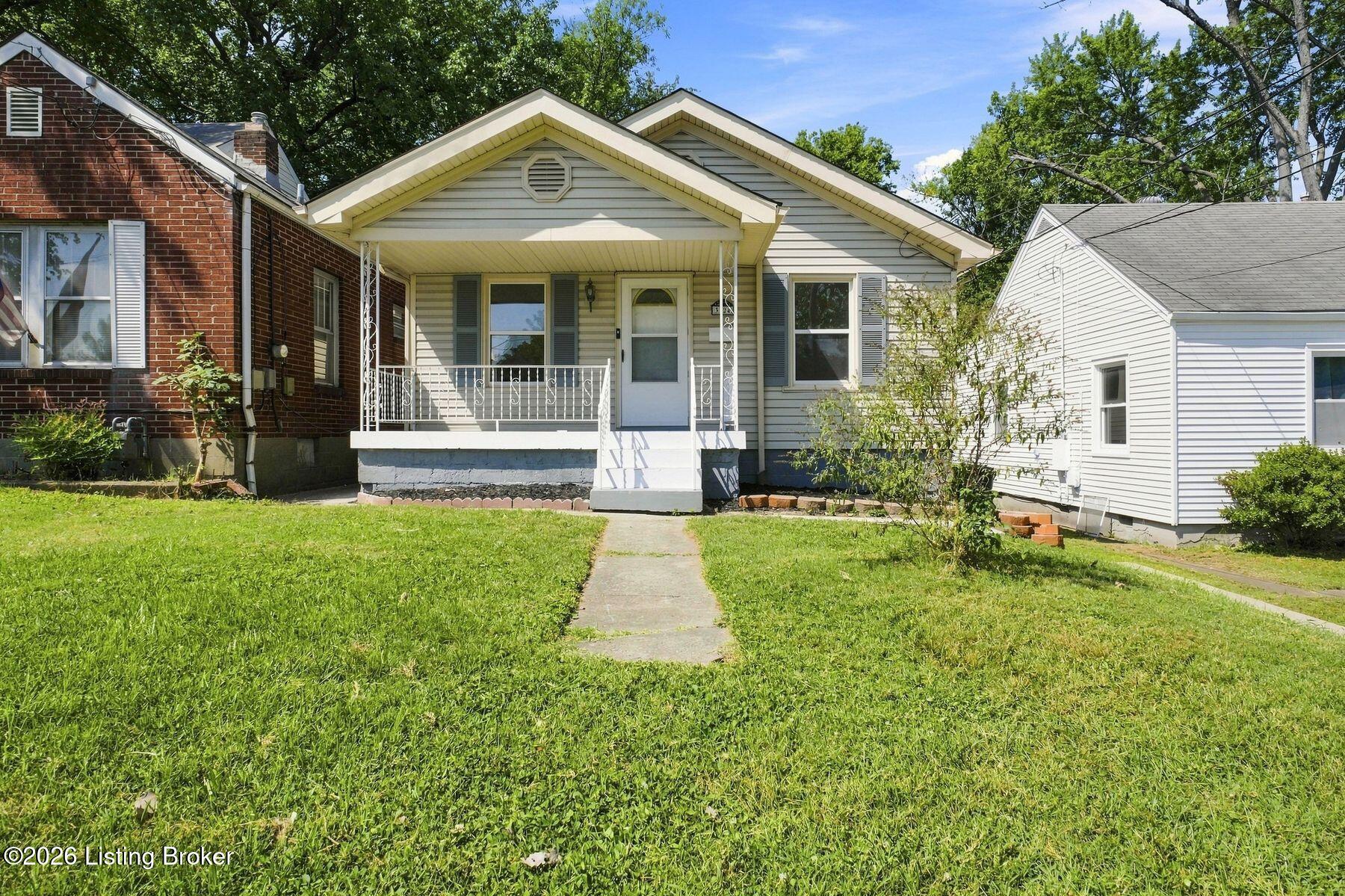
The Highlands: Louisville's most walkable neighborhood, anchored by Bardstown Road. Homes here tend to be early-to-mid 20th century bungalows, Craftsman-style cottages, and multi-story residences. Lots are tighter, but you're steps from restaurants, coffee shops, and Cherokee Park.
Crescent Hill: Just north of the Highlands, Crescent Hill has a quieter residential feel with a strong local business corridor along Frankfort Avenue. Expect renovated older homes alongside newer infill construction. It's popular with young professionals and families who want proximity to the city without the bustle of Bardstown Road.
St. Matthews: A family favorite thanks to strong schools, major shopping centers, and a suburban pace that still keeps you within 15 minutes of downtown. Housing ranges from mid-century ranch homes to newer builds.
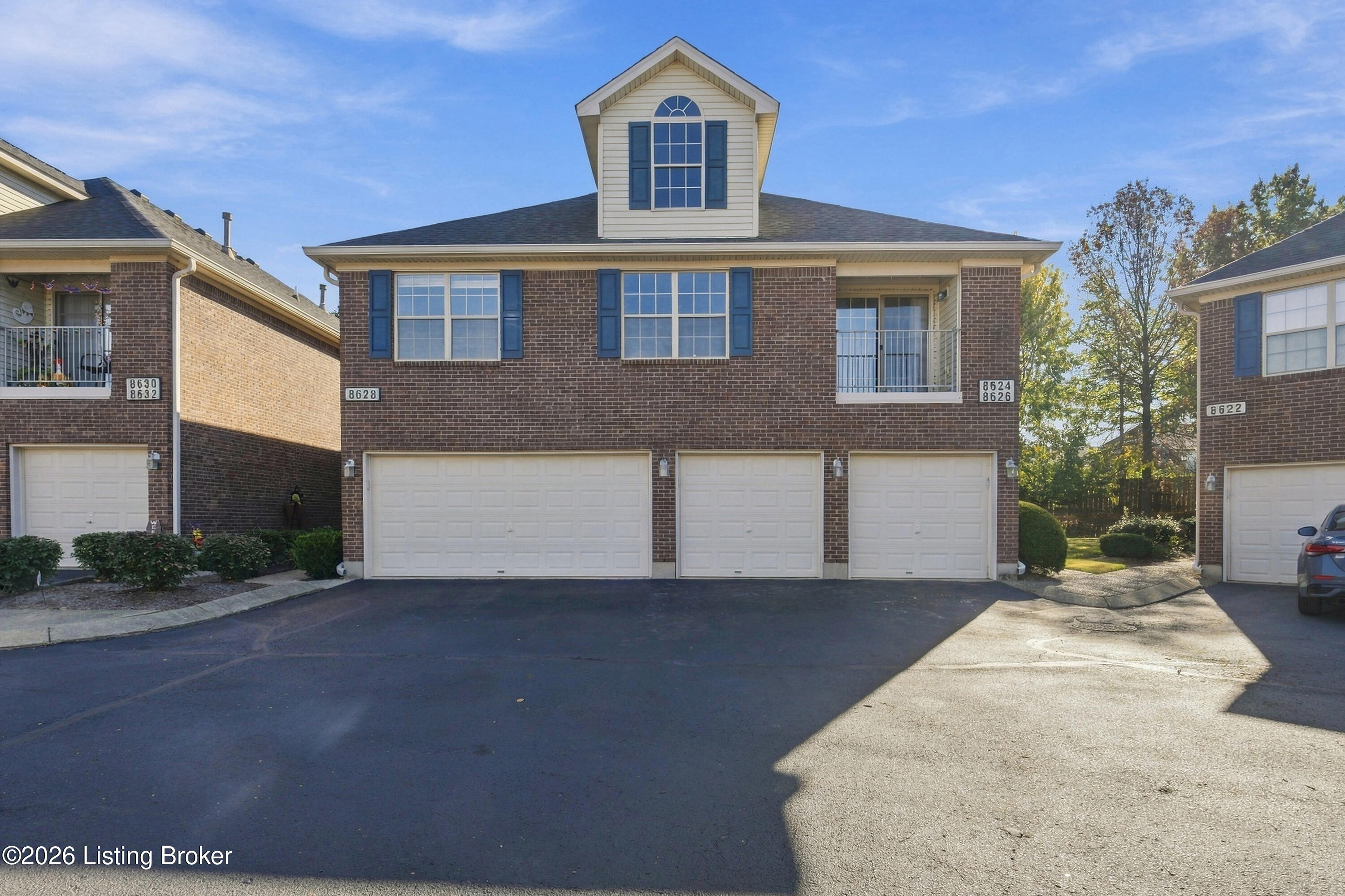
NuLu: Short for "New Louisville," this area east of downtown has become one of the city's most sought-after addresses. Converted warehouses, loft-style condos, and newer townhomes sit alongside galleries and locally owned shops.
Middletown: Farther east, Middletown offers larger lots, newer subdivisions, and highly rated schools. It's a strong pick for families who want suburban space with straightforward access to city amenities.
Norton Commons: A master-planned community with a small-town layout: front porches, tree-lined sidewalks, neighborhood pools, and a walkable town center with shops and restaurants. Homes here are newer and generally higher-end, attracting families and executives relocating for work.
Prospect: Louisville's most upscale suburban option, with large estate-style properties, rolling green space, and proximity to the Ohio River. Buyers here are typically looking for acreage, privacy, and top-tier schools.
Local Tip: Louisville's east side corridors (Bardstown Road, Frankfort Avenue, Shelbyville Road) serve as the main arteries connecting many of these neighborhoods. Understanding which corridor you're near goes a long way in understanding your commute and daily routine.
Louisville's park system is a genuine differentiator. Frederick Law Olmsted (the architect behind New York's Central Park) designed 17 parks and six parkways here, including Cherokee Park and Seneca Park, which are connected by scenic parkways and used daily by runners, cyclists, and families. The Parklands of Floyds Fork adds another 4,000+ acres of green space with mountain biking, paddling, and over 60 miles of trails.
The city's food and drink identity runs deep. Bourbon is everywhere, from the Evan Williams Bourbon Experience on historic Whiskey Row to local bars pouring craft cocktails with Kentucky-distilled spirits. The restaurant scene ranges from Southern staples to inventive takes on global cuisine, and neighborhoods like the Highlands and NuLu have especially high concentrations of locally owned spots.
Cultural institutions include the Muhammad Ali Center, the Louisville Slugger Museum, and the Speed Art Museum. Live sports are a year-round draw:
For families, the Jefferson County Public Schools system offers a school choice program, meaning you aren't strictly limited to your zoned school. Several neighborhoods on the east side, including St. Matthews, Middletown, and Norton Commons, are particularly well-regarded for school quality.
Local Tip: The Kentucky Derby Festival isn't just one day. The two-week celebration includes Thunder Over Louisville, the Pegasus Parade, the Great Steamboat Race, and dozens of community events. It's the social highlight of the year, and the whole city participates.
Getting around Louisville is primarily car-dependent, though neighborhoods like the Highlands, Crescent Hill, and NuLu are genuinely walkable for daily errands. TARC provides bus service, and the Big Four Bridge offers a pedestrian and cycling connection across the Ohio River into Indiana.
Yes. The city has affordable housing, a strong park system, and the Jefferson County Public Schools' school choice program gives families flexibility in finding the right fit. Neighborhoods like St. Matthews, Middletown, and Norton Commons are especially popular with families for their schools, safety, and community events.
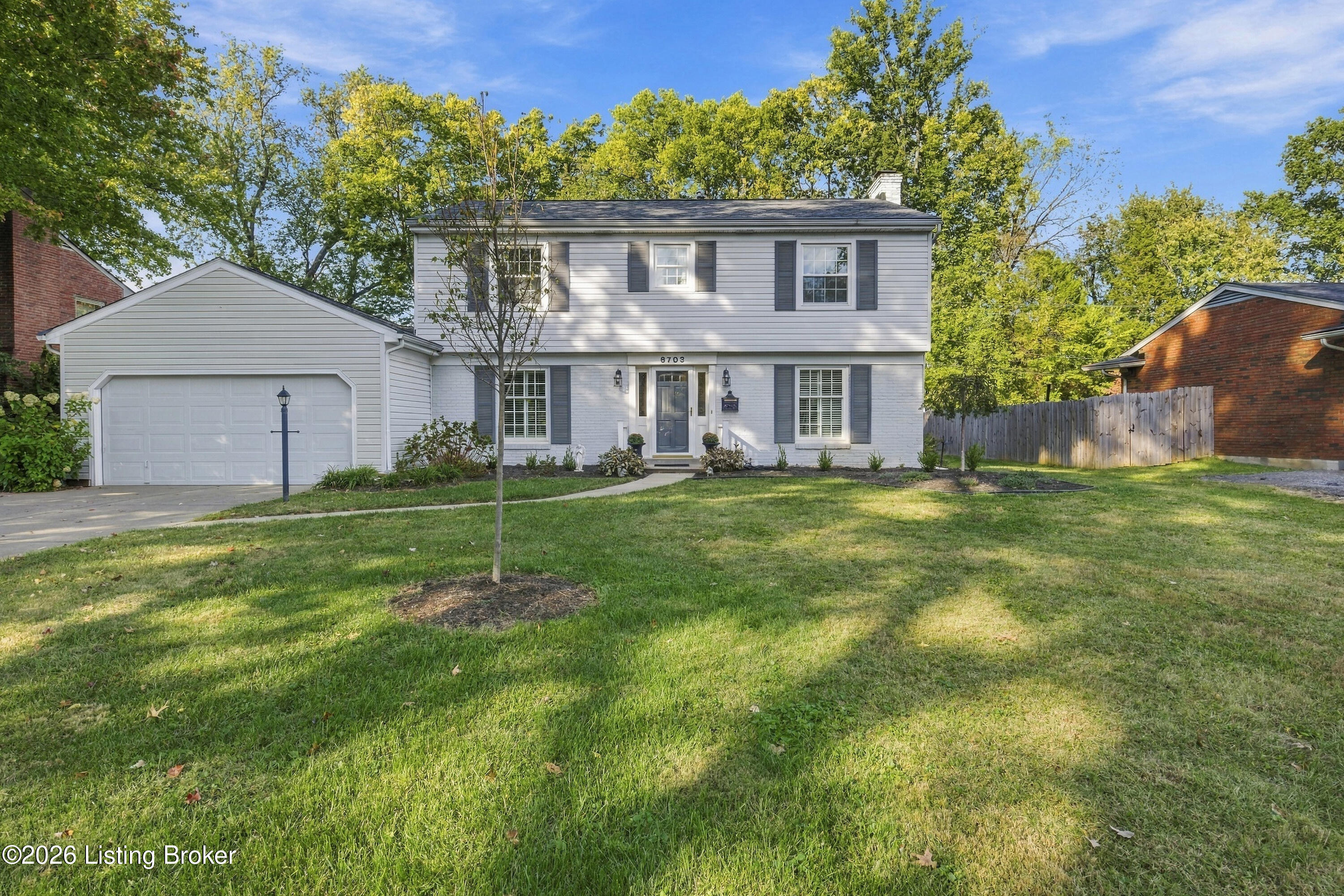
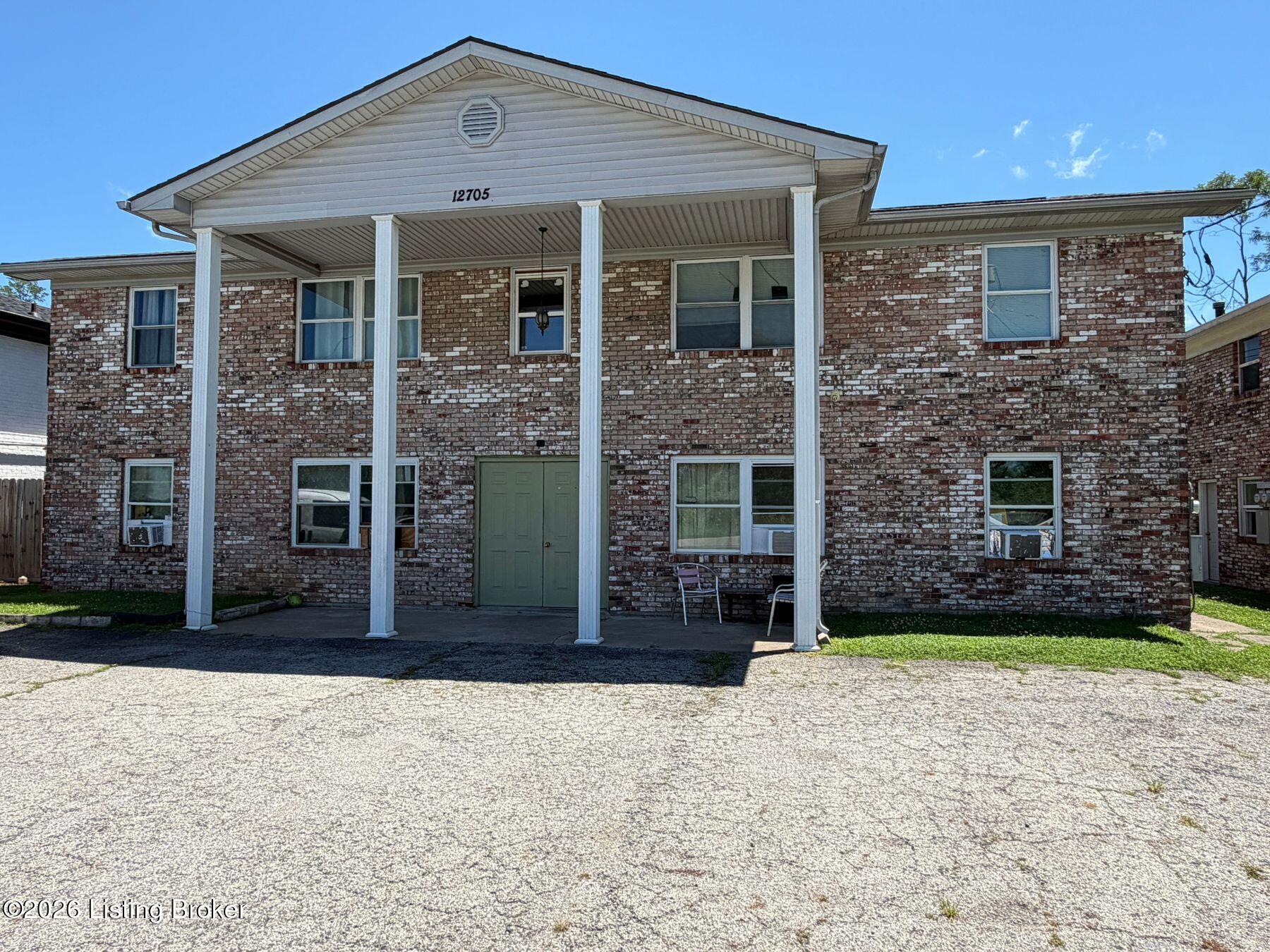
Louisville's housing ranges from Victorian mansions in Old Louisville to Craftsman bungalows in the Highlands, mid-century ranches in St. Matthews, and new construction in communities like Norton Commons. Condos and loft conversions are available in NuLu and downtown. There's a wide range of property types at various price points.
Most commutes within Louisville run 15 to 30 minutes by car. Major routes like I-64, I-65, and I-264 (the Watterson Expressway) connect the suburbs to downtown efficiently. Public transit via TARC bus routes exists but is limited compared to larger cities, so most residents rely on a car.
Louisville's cost of living sits about 5% below the national average. Housing is the biggest advantage, with home prices well below the national median. Groceries, utilities, and daily expenses are also generally lower. The city offers strong value for the quality of life it provides.
The Highlands is the most walkable neighborhood in Louisville, with Bardstown Road serving as the commercial spine for restaurants, shops, and nightlife. Crescent Hill along Frankfort Avenue and NuLu near downtown are also strong options for buyers who want to leave the car in the driveway.
Louisville has over 13,000 acres of parkland, including the Olmsted-designed Cherokee and Seneca Parks, the 4,000-acre Parklands of Floyds Fork, and the 85-acre Waterfront Park along the Ohio River. Hiking, cycling, kayaking, and trail running are all accessible within city limits.
Absolutely. Louisville is one of the epicenters of American bourbon production, home to Whiskey Row and multiple distillery experiences. It's also the birthplace of Muhammad Ali, home to the Louisville Slugger bat factory, and has a growing reputation for its food scene and independent arts community.
Areas like Old Louisville, Germantown, and Butchertown offer homes with significant architectural history at prices below what you'd pay in comparable historic districts in other cities. Be prepared for potential renovation costs with older properties, and check whether a home falls within a local historic preservation overlay, which may have guidelines for exterior modifications.
Louisville has 323,776 households, with an average household size of 2.1115151515151513. Data provided by the U.S. Census Bureau. Here’s what the people living in Louisville do for work — and how long it takes them to get there. Data provided by the U.S. Census Bureau. 765,842 people call Louisville home. The population density is 2,832.481 and the largest age group is Data provided by the U.S. Census Bureau.
Total Population
Population Density Population Density This is the number of people per square mile in a neighborhood.
Median Age
Men vs Women
Population by Age Group
0-9 Years
10-17 Years
18-24 Years
25-64 Years
65-74 Years
75+ Years
Education Level
Total Households
Average Household Size
Average individual Income
Households with Children
With Children:
Without Children:
Marital Status
Blue vs White Collar Workers
Blue Collar:
White Collar: