If you are thinking about buying a duplex or small multi-unit property in the Highlands, it is easy to focus on rent potential first. In 40204, though, the smarter approach is to look at both location and compliance from the start. When you understand how the Highlands is laid out, what kinds of buildings are common, and which local rules can affect renovations or rentals, you can make a much more confident purchase. Let's dive in.
Why the Highlands Draws Rental Demand
The Highlands is not just one uniform neighborhood. Louisville Metro's District 8 includes areas such as Original Highlands, Cherokee Triangle, Bonnycastle, Highlands-Douglass, Tyler Park, Belknap, and Deer Park, with Bardstown Road serving as a central corridor through the district. That mix gives the area a broad appeal, with different block-by-block housing patterns and a strong neighborhood identity.
The lifestyle piece matters here. Louisville Tourism describes the Highlands as Louisville's original Restaurant Row, known for dining, shopping, nightlife, and historic architecture. Nearby destinations like Tyler Park, Cherokee Park, and Cave Hill also help support everyday convenience and neighborhood appeal.
40204 is also a dense urban ZIP code with an estimated 14,034 residents, 8,818 housing units, and 4,422 people per square mile, according to Census Reporter. The same profile shows 7,731 households, a median household income of $71,116, a 17.7-minute average commute, and 21.6% of residents having moved in the past year. Taken together, those numbers suggest a central, active market with a relatively mobile renter base.
What Multi-Unit Properties Look Like Here
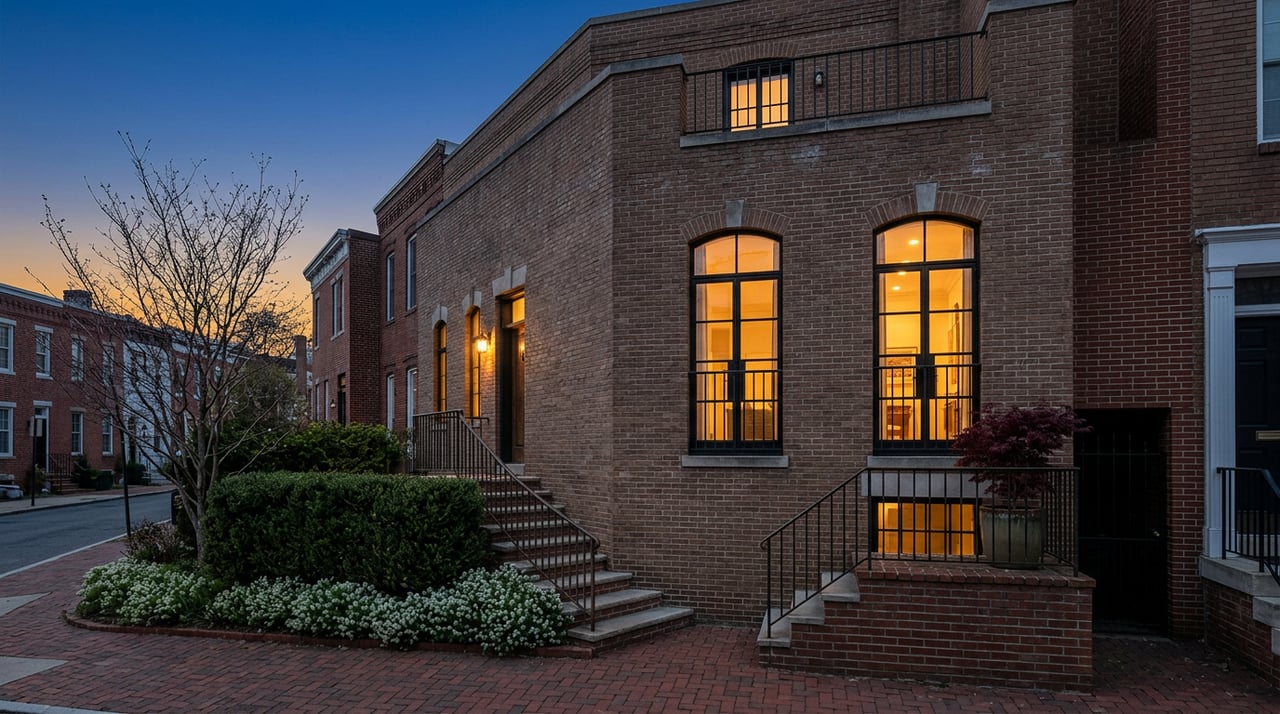
One of the biggest challenges in the Highlands is that duplexes and small multifamily properties do not all look the same. Official planning documents describe the Original Highlands as a traditional urban neighborhood and one of Louisville's earliest suburban developments. The area includes a mix of large Victorian houses, brick homes, and shotgun-style housing, especially in older sections.
That variety can be appealing, but it also means you should not assume a property's layout or legal use based on appearance alone. In Cherokee Triangle, Louisville Metro notes that the district is predominantly single-family, but it also includes apartments in both purpose-built apartment buildings and converted residences. In Highlands-Douglass, planning documents say the neighborhood is about 79% single-family and 8% multi-family, with varied lot widths that have supported both rental and owner-occupied housing.
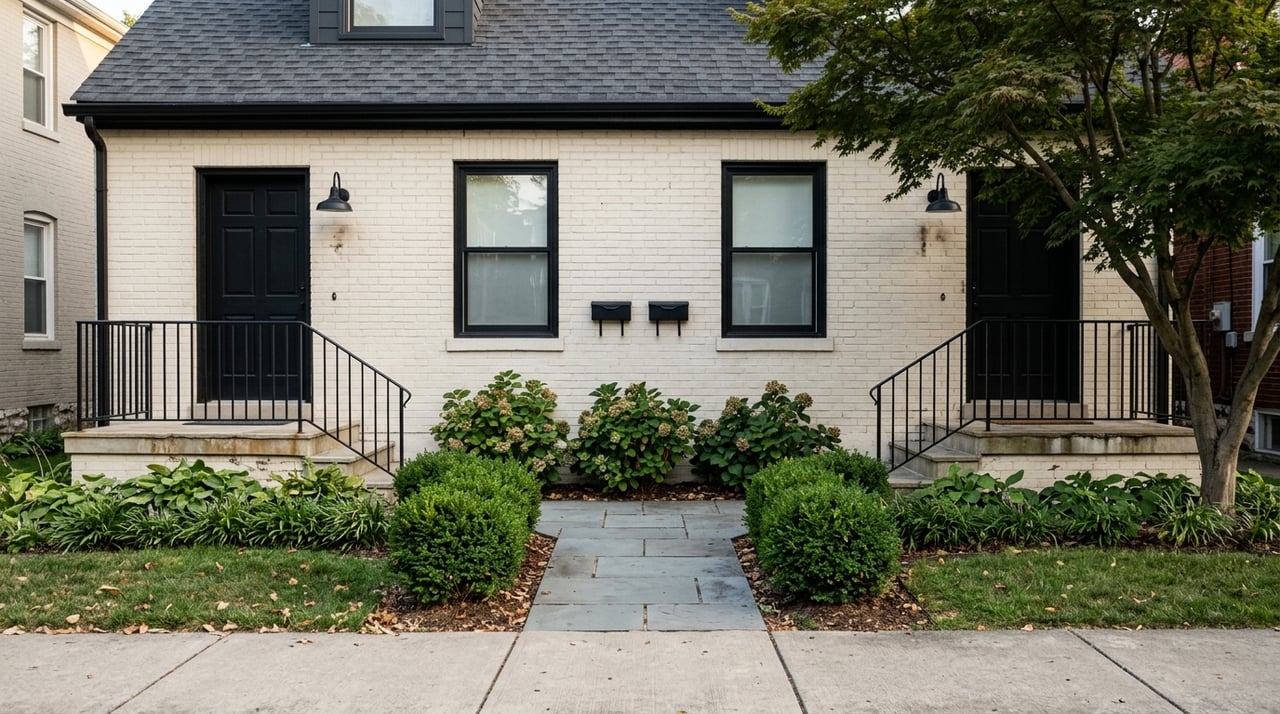
For you as a buyer, that means every property needs its own review. A converted older home may function very differently from a purpose-built duplex, even if both are marketed as multi-unit properties.
Verify the Unit Count Before You Commit
In the Highlands, due diligence starts with the basics. Before you move forward, confirm the legal unit count and how the property is set up in practice. Older homes that were divided over time may have quirks that affect financing, insurance, renovations, or rental operations.
Pay close attention to:
- Number of legal units
- Separate entrances
- Utility metering
- Parking layout
- Current occupancy setup
- Permit history for past work
This step matters because the Highlands includes older housing stock, preservation areas, and mixed development patterns. A property that seems straightforward at first glance may need deeper review once zoning, permits, and use history are examined.
Why Duplexes Appeal to House Hackers
For many buyers, a duplex or two- to four-unit property can create flexibility that a single-family home does not. Freddie Mac notes that 2- to 4-unit owner-occupied primary residences are an important housing type in urban communities, and rental income from other units may be counted in debt-to-income calculations. Fannie Mae also treats rental income from an owner-occupied two- to four-unit principal residence as eligible in underwriting, and it requires the income approach when valuing these properties.
In plain terms, this is why duplexes and triplexes often appeal to house hackers. If you plan to live in one unit and rent the others, the property may help support your budget in a way that aligns with how these homes are commonly underwritten.
That said, financing is only part of the equation. You still need to evaluate whether the rent you expect is realistic and whether the building's condition supports your numbers.
How to Think About Cash Flow
Cash flow should be simple to understand, even if the details take work. At a basic level, you are looking at projected rent and subtracting the costs of owning and operating the property. That includes more than just your mortgage payment.
A practical cash flow review should account for:
- Mortgage and carrying costs
- Vacancy risk
- Maintenance and repairs
- Ongoing reserves
- Registration and compliance costs
The Highlands can offer strong rental appeal because of location, walkability, parks, dining, and access to the city core. Still, older buildings often come with more maintenance variables, so conservative planning is important.
Know Louisville's Rental Registry Rules
If you plan to offer a unit for long-term occupancy in exchange for money or other consideration, Louisville Metro requires the property to be registered with the city. According to Louisville Metro, failure to register can lead to a fine of up to $100 per day per housing unit. That makes rental registration something to plan for early, not after closing.
If you are buying a duplex or small multifamily property, your acquisition plan should include:
- Confirming whether the property is already registered
- Reviewing current compliance status
- Preparing for registration if needed
- Factoring code compliance into your timeline
This is one reason a Highlands purchase is more than a simple rent-math exercise. The property may sit in a highly desirable area, but the operational details still need to be handled correctly.
Preservation Rules Can Affect Renovations
In parts of the Highlands, exterior work may require more than a contractor and a budget. Louisville Metro states that physical changes to the exterior of an individual landmark or a property in a local preservation district require prior approval through a Certificate of Appropriateness, unless exempted. The city also notes that properties in a preservation district or overlay district should obtain a COA or overlay permit before exterior changes.
This is especially important in Cherokee Triangle, which is a preservation district. The Bardstown Road/Baxter Avenue Corridor Review Overlay District also requires guideline review for development proposals in that corridor. If your investment plan includes exterior updates, you need to know early whether those reviews apply.
For some older properties, historic status may also create opportunity. The Kentucky Heritage Council says historic rehabilitation tax credits may be available for qualifying National Register properties, including income-producing properties such as apartments and other commercial buildings. For the right property, renovation strategy may depend as much on preservation compatibility and incentive potential as on finishes and layout changes.
Check Permits and Zoning Early
Many projects need standard building permits even when preservation review is not involved. Louisville Metro says residential permits are required by local ordinances and the Kentucky Building Code. For a buyer, that means permit history should be part of your early property review.
You should also verify zoning before closing. Louisville Metro says buyers can look up a property's zoning and review what the Land Development Code permits or prohibits. In a neighborhood with mixed residential and commercial patterns, allowed uses can vary by block, so this is not something you want to assume.
A smart due diligence checklist should include:
- Zoning verification
- Land Development Code review
- Permit history
- Condition of major systems
- Exterior work review requirements
- Confirmation of current property use
Why Strategy Matters in the Highlands
Buying a duplex or multi-unit property in the Highlands can be a smart move, but it rewards preparation. The area's walkability, dining, parks, and central location help support rental demand, while its older housing stock and layered local rules make careful review essential. In other words, success here often comes from combining neighborhood insight with disciplined due diligence.
That is where strong local guidance can make a real difference. When you are evaluating a property with multiple units, historic features, or compliance questions, clear process management helps protect both your investment and your peace of mind.
If you are considering a duplex or small multi-unit purchase in the Highlands, Laura Rice & Associates can help you approach the process with local insight, careful oversight, and a strategy built around smart decision-making.
FAQs
What makes Highlands duplexes attractive to buyers in 40204?
The Highlands offers walkability, dining, parks, nightlife, and close-in access to the city core, which can support steady rental appeal.
What should you verify before buying a multi-unit property in the Highlands?
You should confirm the legal unit count, entrances, utility setup, parking, permit history, zoning, and current use before closing.
Do rental properties in Louisville need to be registered?
Yes. Louisville Metro requires properties offered for long-term occupancy in exchange for money or other consideration to be registered with the city.
Can preservation rules affect exterior renovations in the Highlands?
Yes. In local preservation districts and some overlay areas, exterior changes may require approval through a Certificate of Appropriateness or other review.
Why is zoning important when buying a duplex in the Highlands?
Zoning helps determine what uses are permitted on a parcel, and in the Highlands those rules can vary by block because of the area's mixed development patterns.