Seven hundred and twenty people. That was the population of Rolling Fields at the last census, a number small enough to fit inside a single elementary school. Yet this stretch of Louisville's east end, tucked off Brownsboro Road between Indian Hills and the St. Matthews corridor, runs its own recurring calendar of food truck nights, a summer parade, and a fall pizza party with the kind of reliability most neighborhoods twice its size can't manage. The reason has less to do with community spirit than with paperwork. Rolling Fields is one of the handful of places in Jefferson County that governs itself, and that quiet fact is what keeps the same three traditions coming back year after year.
A City Government the Size of a Cul-de-Sac
Rolling Fields incorporated as a home rule-class city in 1958, which means it has its own mayor, its own budget, and its own authority to levy property taxes rather than depending on Louisville Metro to fund what happens inside its borders. The city's own website posts the paperwork that proves it: a tax ordinance covering fiscal year 2026 sits publicly alongside a decade of predecessors, filed the same way a much larger municipality would file them. That governing structure is why the neighborhood's park programming doesn't hinge on a homeowners association newsletter or a volunteer committee that might not reconvene next spring. It's funded the way a small city funds anything, through its own tax base, year after year, regardless of who happens to be running the food truck event that season.
Most subdivisions in this part of the county rely on a developer-era HOA or informal neighbor networks to organize a gathering. Rolling Fields shares police coverage with its neighbors Indian Hills and Mockingbird Valley through the Indian Hills Police Department rather than defaulting to Louisville Metro Police, another small marker of how these three cities have chosen to run their own affairs rather than fold into the metro government around them. The scale is tiny. The independence is real.
Friday Nights, Every Other Week
The clearest expression of that independence shows up at Friday in the Fields, held every other Friday through the summer at the neighborhood's own park on Country Lane. The city's own news page has posted an update titled simply "Food Trucks Return to Friday in the Fields," a small housekeeping notice that matters more than it sounds. A neighborhood this size could easily let a summer series lapse if enthusiasm dipped or a volunteer moved away. Instead, the same publicly funded gathering shows up on the calendar again, with a rotating lineup of trucks parked on the same patch of grass residents have used for years. As August opens, the series is still running, with more Friday nights ahead before the season winds down toward fall.
The Two Events That Bookend the Calendar
Friday in the Fields isn't the only tradition the city underwrites. Rolling Fields anchors its year with two events that have already become fixtures:
- An Independence Day parade that already rolled through the neighborhood's streets this summer, small enough that most households can walk to a curb spot rather than drive to one.
- A Halloween Pizza Party still ahead this fall, timed to give families a neighborhood-specific alternative to a mall or a shopping center trick-or-treat event.
Neither event requires an outside vendor contract or a rotating committee to survive. Both are line items the city has chosen to keep funding, the same way it funds its own tax collection and its own building permit process. For a neighborhood without a single traffic light of its own, that's a fairly deliberate use of civic machinery.
The Walk Down River Road
When the calendar doesn't have an event on it, the most natural extension of Rolling Fields' own small park is Thurman-Hutchins Park, a short drive down River Road. Louisville Metro Parks lists the site as an 80-acre gift to the city, donated in honor of two mothers, Elsie Thurman Jones and Lillias Hutchins Ashbury. The architecture firm that designed the park's layout in 2013 cites a slightly different figure, 75 acres, likely a difference in survey boundaries rather than a discrepancy worth losing sleep over. What both sources agree on is the design itself: a passive landscape built around a pond with a fishing pier, a savannah meadow, and a paved walking path that circles the water for a little under a mile, according to the firm's own project notes. For a neighborhood that measures its own park in a single city block, an 80-acre extension five minutes away changes what an ordinary Tuesday evening walk looks like.
Golf, Long Before the Country Club Boom
The land itself carries its own quiet history. According to the neighborhood's own recorded past, the ground beneath Rolling Fields was part of the Veech family farm for more than a century before it became a city in its own right. That same farm gave rise to neighboring Indian Hills and to the adjoining Louisville Country Club, which means the golf course many Rolling Fields residents can see from their own streets isn't a recent luxury amenity. It's the same dirt, subdivided three different ways across the twentieth century. Crescent Hill Golf Course sits nearby as a public option for residents who'd rather not join a private club, rounding out a stretch of Brownsboro Road where a farm, a country club, and a public course all trace back to the same handful of acres.
Dinner Without Leaving the Neighborhood
That same Brownsboro Road corridor is also home to Mesh, a restaurant built on the site of the former Bauer's Restaurant, a longtime Louisville dining name before Mesh took over the address. Mesh sits directly next to Crescent Hill Golf Course, according to the restaurant's own site, and has built a menu around locally sourced meats, vegetables, and seafood in a setting upscale enough for a special occasion but close enough for an ordinary weeknight. For a household that just walked the loop at Thurman-Hutchins or watched the parade go by on the Fourth, it's the kind of dinner spot that doesn't require getting on the Watterson.
None of this is an accident of geography. It's what happens when a city small enough to know its own residents by name still insists on funding its own park programming, its own parade, and its own pizza party, rather than folding into whatever Louisville Metro or a homeowners association happens to schedule that year. Rolling Fields keeps its own calendar because it has the legal standing to, and its residents have spent almost seventy years deciding that standing is worth the paperwork.
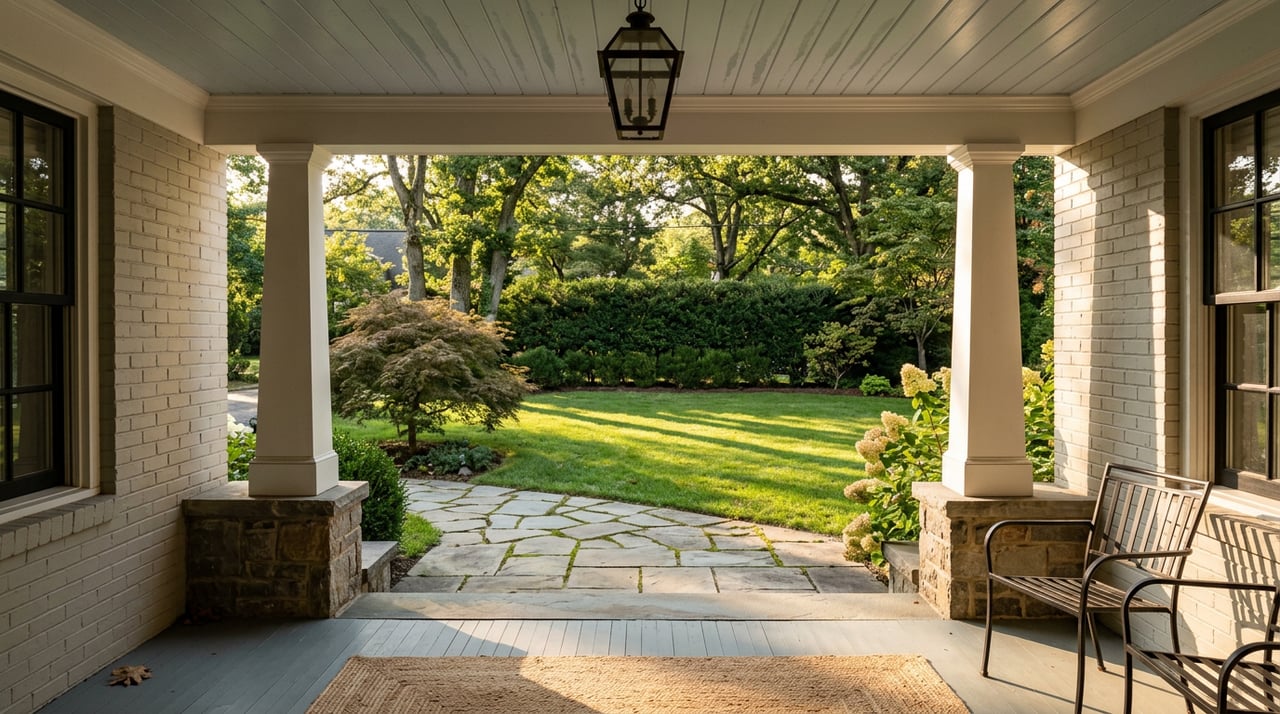
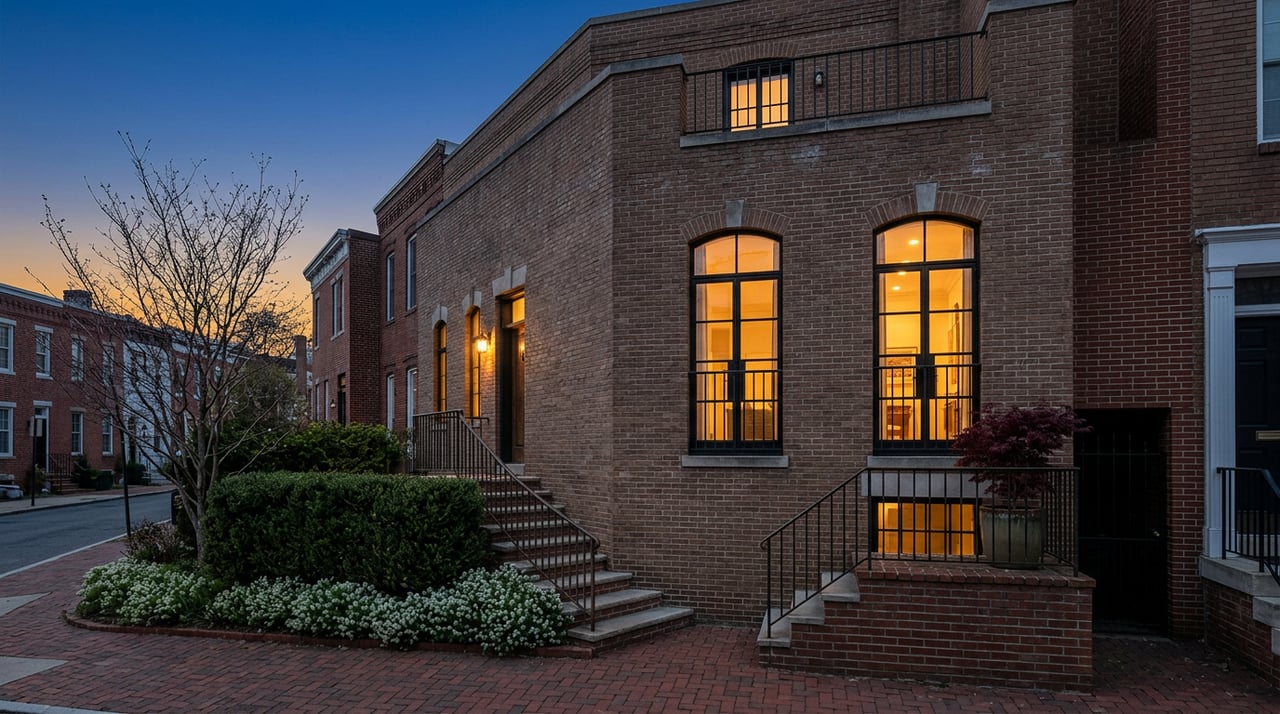
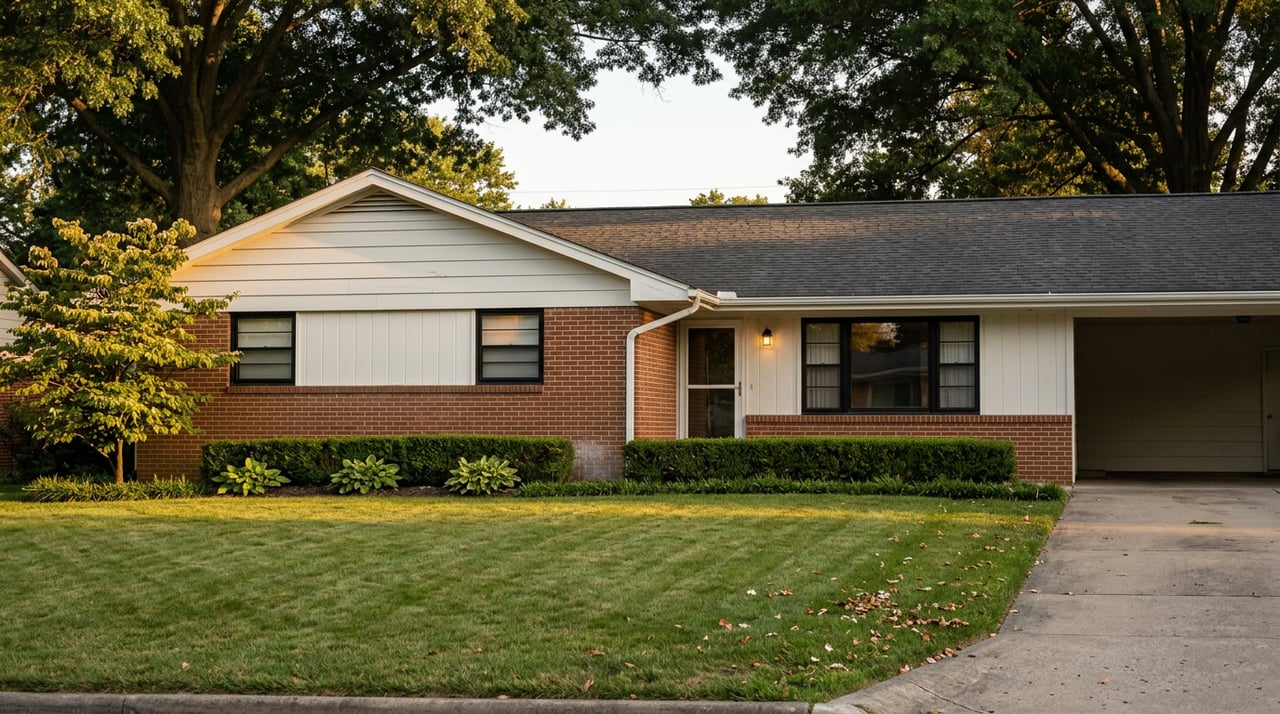
For a deeper look at the neighborhood's housing stock, from its Colonial Revival cottages to the ranch homes built when the farm first gave way to residential lots, our own Rolling Fields neighborhood guide covers that ground in more detail. And if a Friday night at the park or a walk around the Thurman-Hutchins pond has you thinking about what it would take to call one of these streets home, Laura Rice and her team know this stretch of Brownsboro Road well enough to talk through it honestly. Let's Connect.