2,870 people live in Indian Hills, where the median age is 52.1 and the average individual income is $120,356. Data provided by the U.S. Census Bureau.
Total Population
Median Age
Population Density Population Density This is the number of people per square mile in a neighborhood.
Average individual Income
Indian Hills real estate puts you in one of Louisville's most established and prosperous east-end communities, where over a third of the land remains intentionally undeveloped woodland. This independent home-rule city of about 2,860 residents sits seven miles northeast of downtown along the Ohio River, with a history that stretches back to the early 1800s.
Indian Hills' story begins with John Veech's Indian Hill Stock Farm, one of Kentucky's largest horse farms in the early 1800s. The Veech family held over 300 acres from 1805, and the land remained in the family until the 1920s when it was sold to the Olmsted firm for subdivision planning.
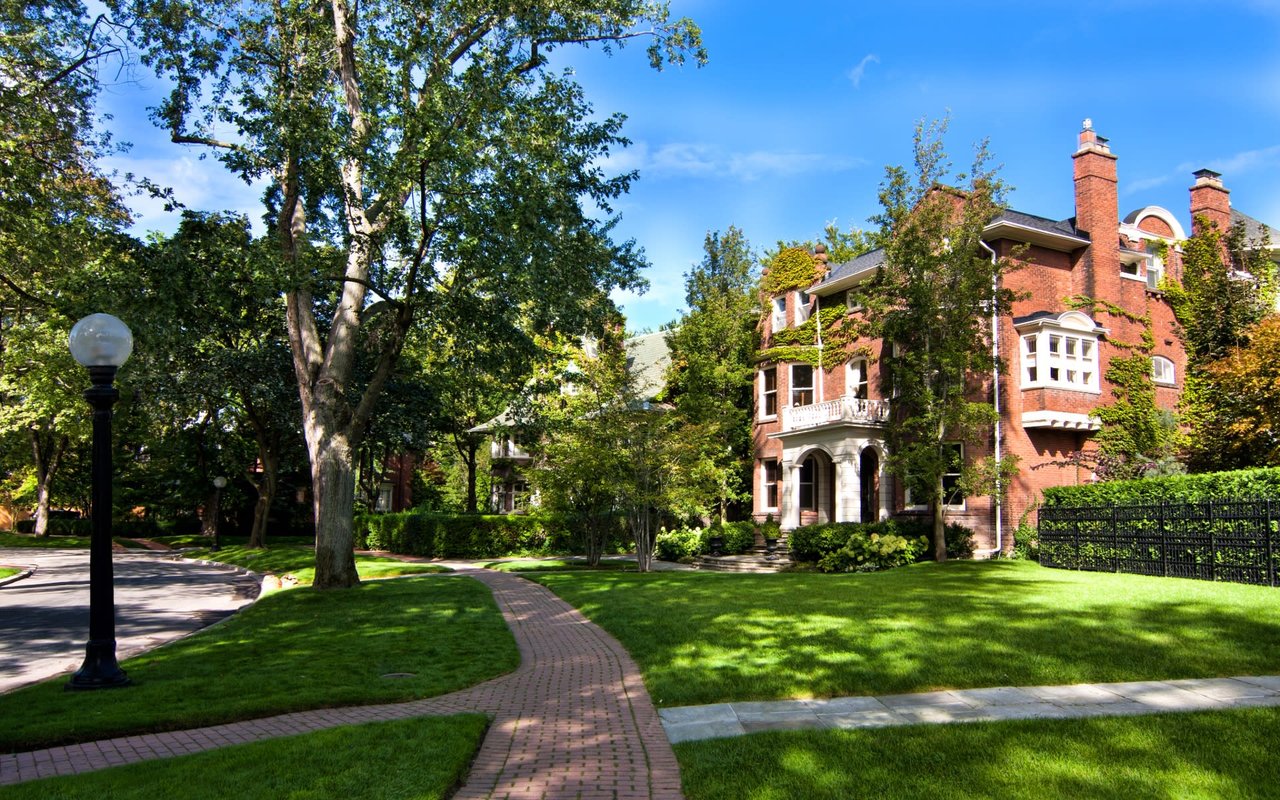
The Olmsted Brothers (the same firm that designed Louisville's park system) laid out the neighborhood to follow the natural contours of the hilly terrain. The result is a community of curved streets, circular intersections, and generous green spaces that feels more like a park than a suburb.
Common architectural styles in Indian Hills:
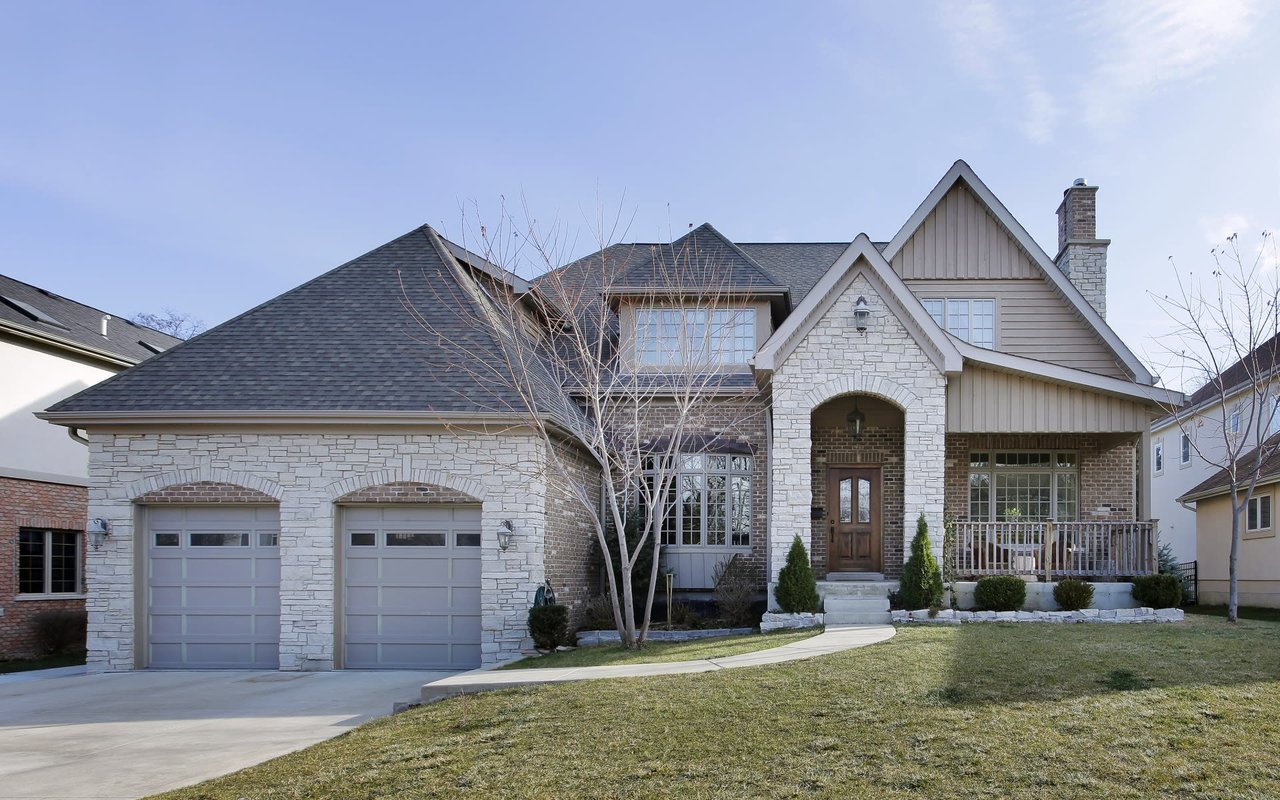
Most homes in Indian Hills date from the 1920s through the 1960s and sit on large, wooded lots with long driveways and spacious front yards. The developers preserved the natural tree canopy of sycamore and maple, and subsequent homeowners have maintained that commitment.
Local Tip: Indian Hills was formed in 1999 by merging four smaller cities: Cherokee, Indian Hills-Country Club, Robinswood, and Winding Falls. Each section has its own character within the larger community.
Community events bring residents together throughout the year, centered on the neighborhood's preserved green spaces.
Annual events in Indian Hills:
The neighborhood's preserved woodlands and open spaces make it feel removed from the city, but the reality is that downtown Louisville is only about 15 minutes away. Brownsboro Road provides quick access to shopping, dining, and services.
Rolling Fields borders Indian Hills to the south, sharing a similar residential character. Mockingbird Valley is to the west, and Glenview/Glenview Springs is nearby. The Highlands, Crescent Hill, and St. Matthews are all within a 10 to 15 minute drive.
Schools are served by Jefferson County Public Schools, and multiple private school options are accessible from this central east-end location.
Yes. Indian Hills is an independent home-rule city formed in 1999 by merging four smaller communities. It has its own city government and about 2,860 residents across roughly 1,200 homes.
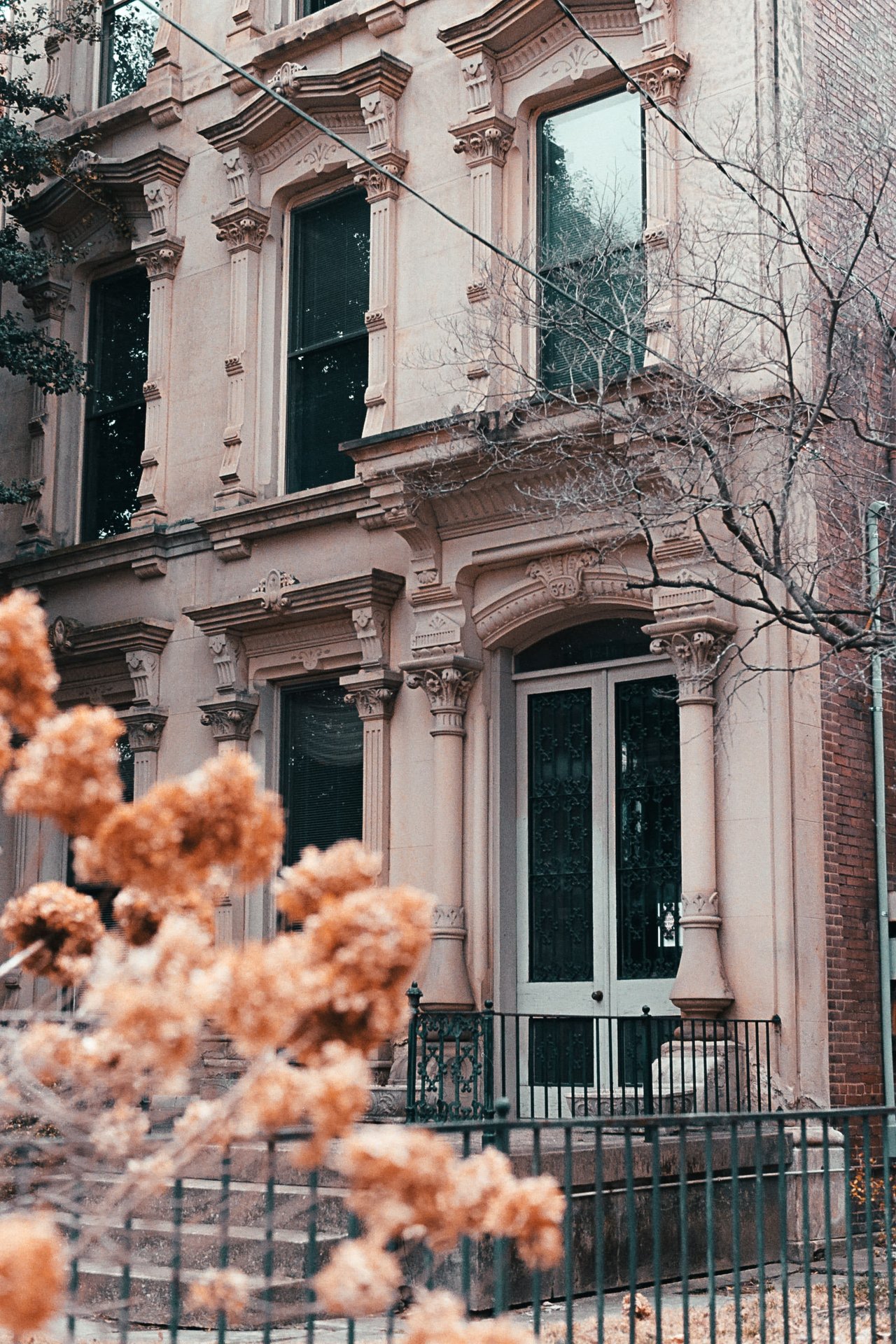
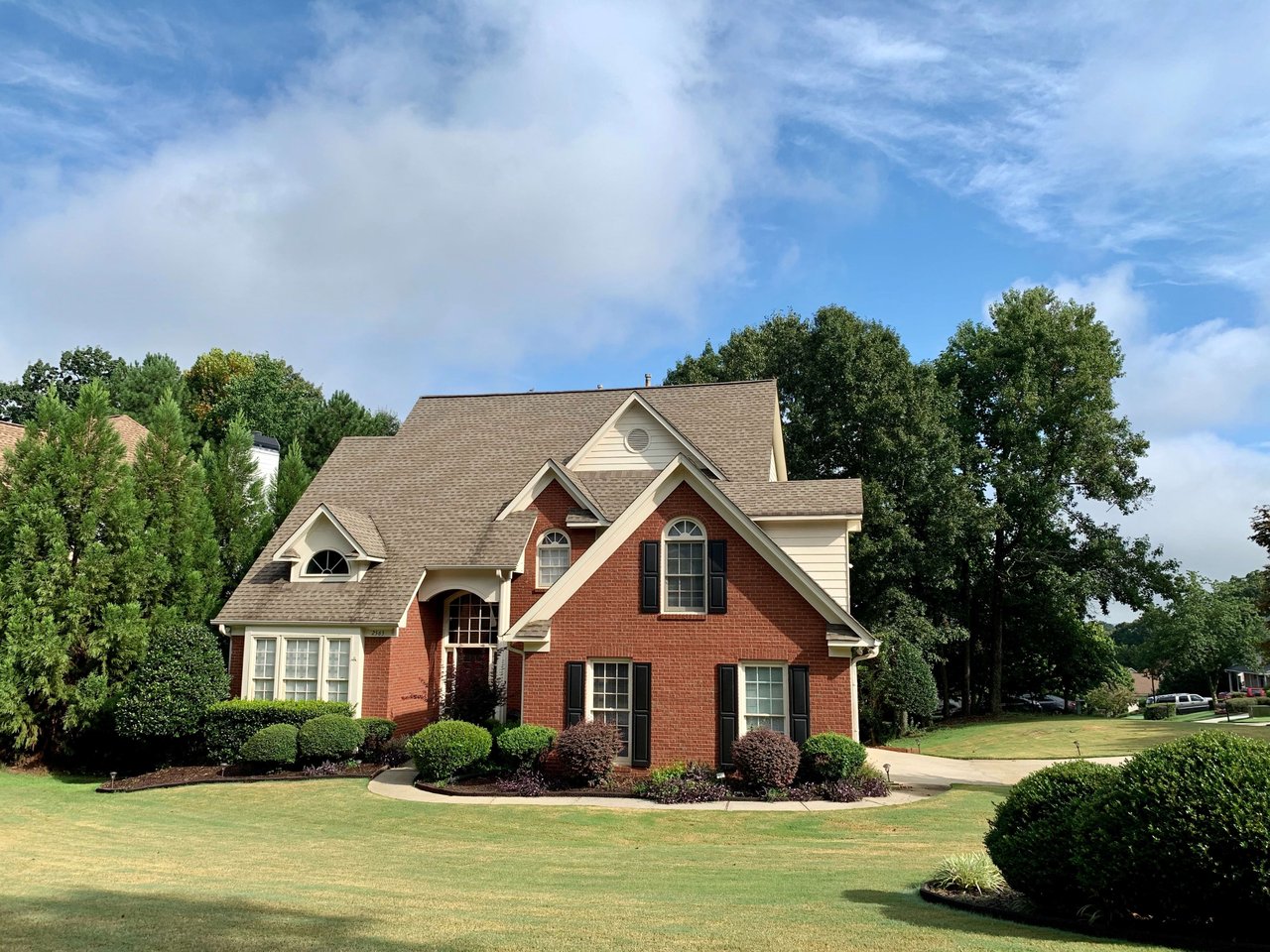
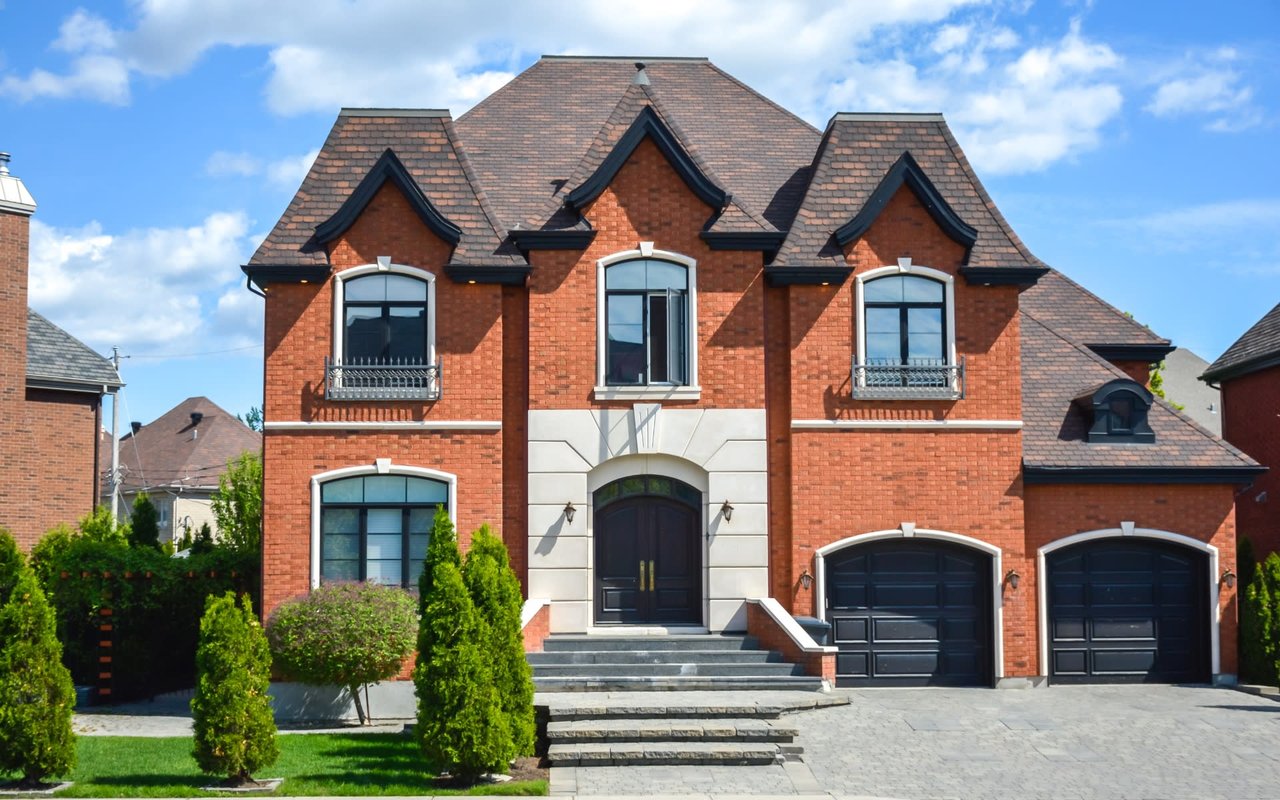
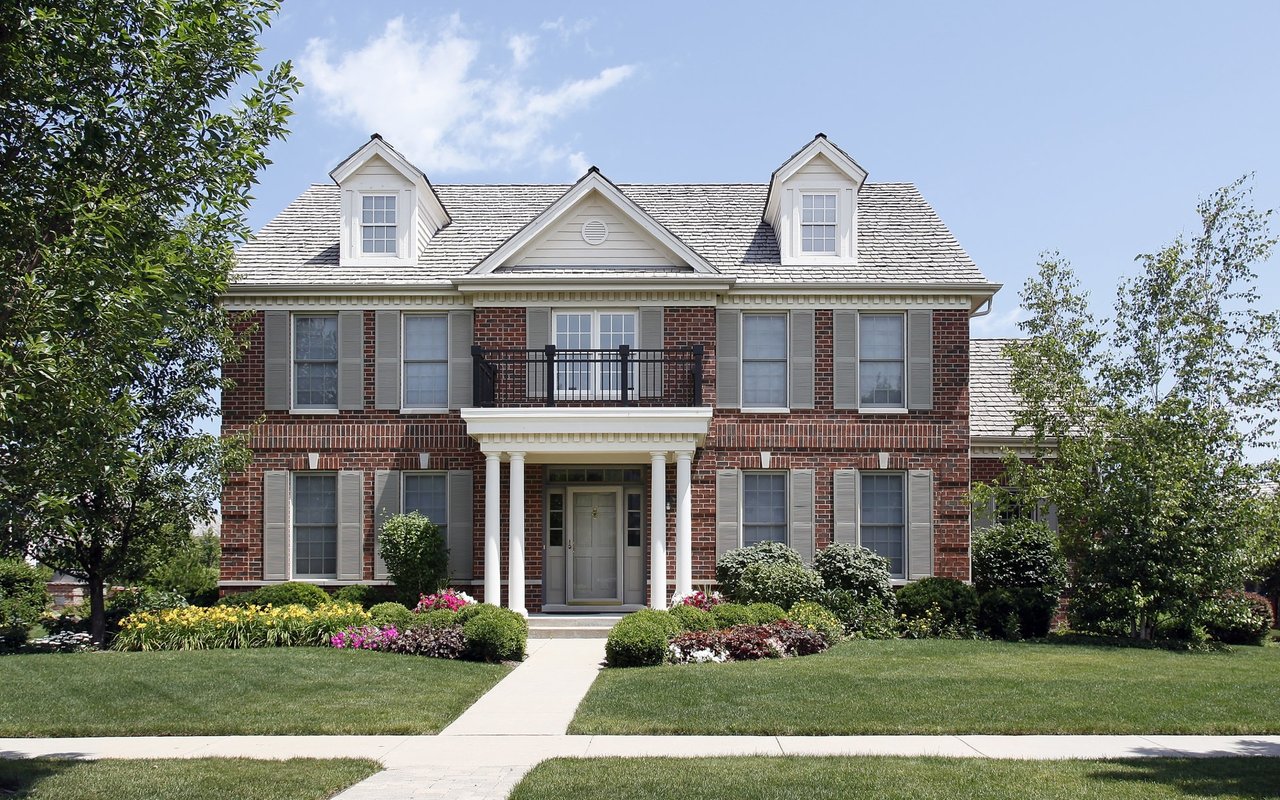
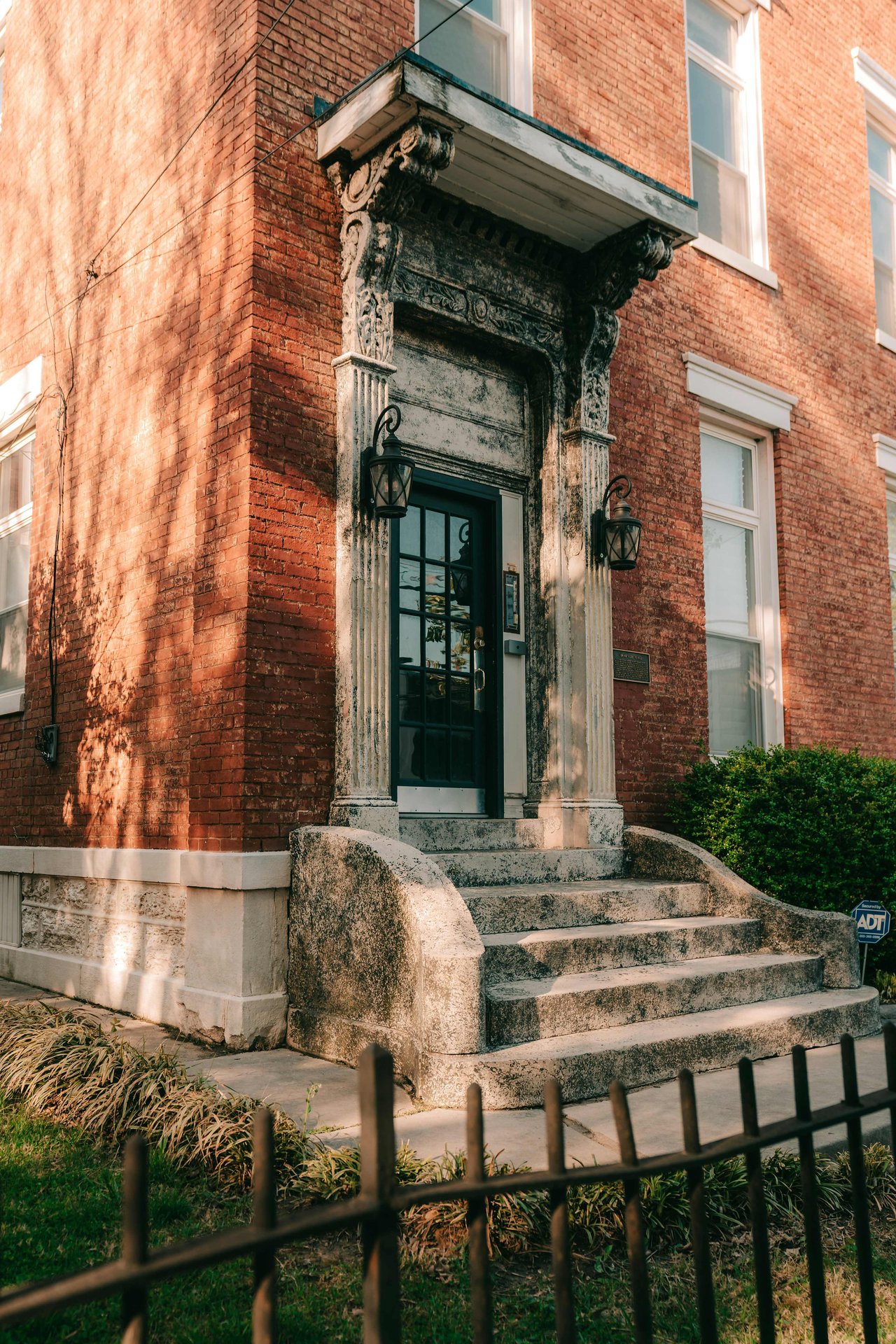
You'll find Colonial Revival, Tudor, Georgian, and mid-century traditional homes, mostly built from the 1920s through the 1960s. Lots are large with mature trees, long driveways, and generous setbacks from the street.
About 15 minutes via Brownsboro Road or I-71.
The neighborhood holds an annual Independence Day Parade and October Fest, plus gatherings in the community's preserved green spaces.
Both are prestigious, wooded east-end communities. Indian Hills is significantly larger (about 1,200 homes vs. Mockingbird Valley's 175 residents) and was designed by the Olmsted Brothers. Mockingbird Valley is smaller, more exclusive, and listed on the National Register of Historic Places.
Indian Hills has 1,282 households, with an average household size of 2.24. Data provided by the U.S. Census Bureau. Here’s what the people living in Indian Hills do for work — and how long it takes them to get there. Data provided by the U.S. Census Bureau. 2,870 people call Indian Hills home. The population density is 1,453.59 and the largest age group is Data provided by the U.S. Census Bureau.
Total Population
Population Density Population Density This is the number of people per square mile in a neighborhood.
Median Age
Men vs Women
Population by Age Group
0-9 Years
10-17 Years
18-24 Years
25-64 Years
65-74 Years
75+ Years
Education Level
Total Households
Average Household Size
Average individual Income
Households with Children
With Children:
Without Children:
Marital Status
Blue vs White Collar Workers
Blue Collar:
White Collar: