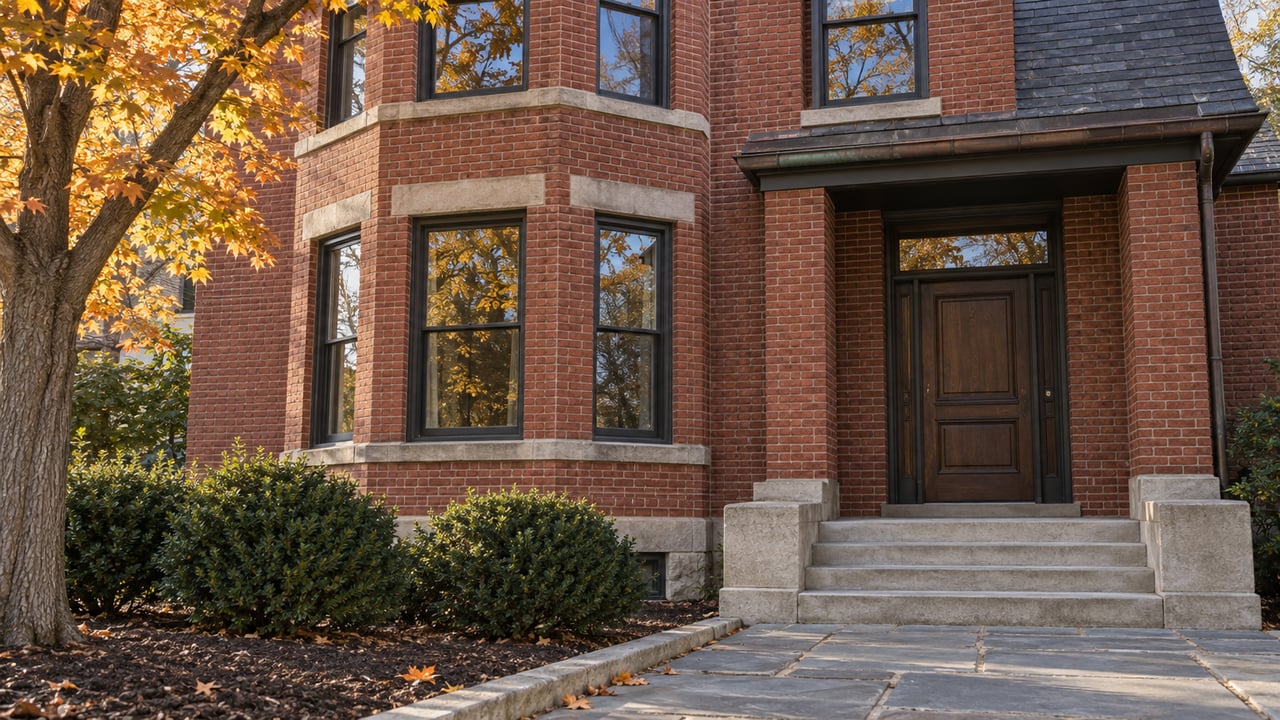
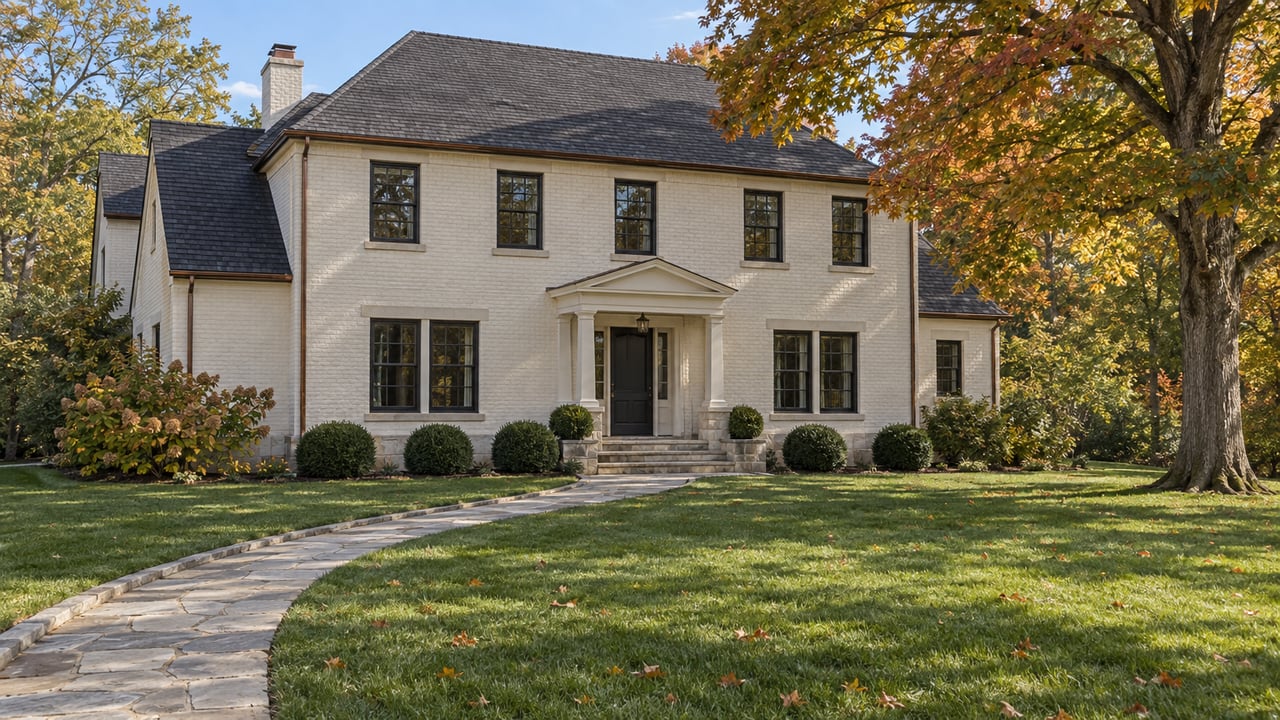
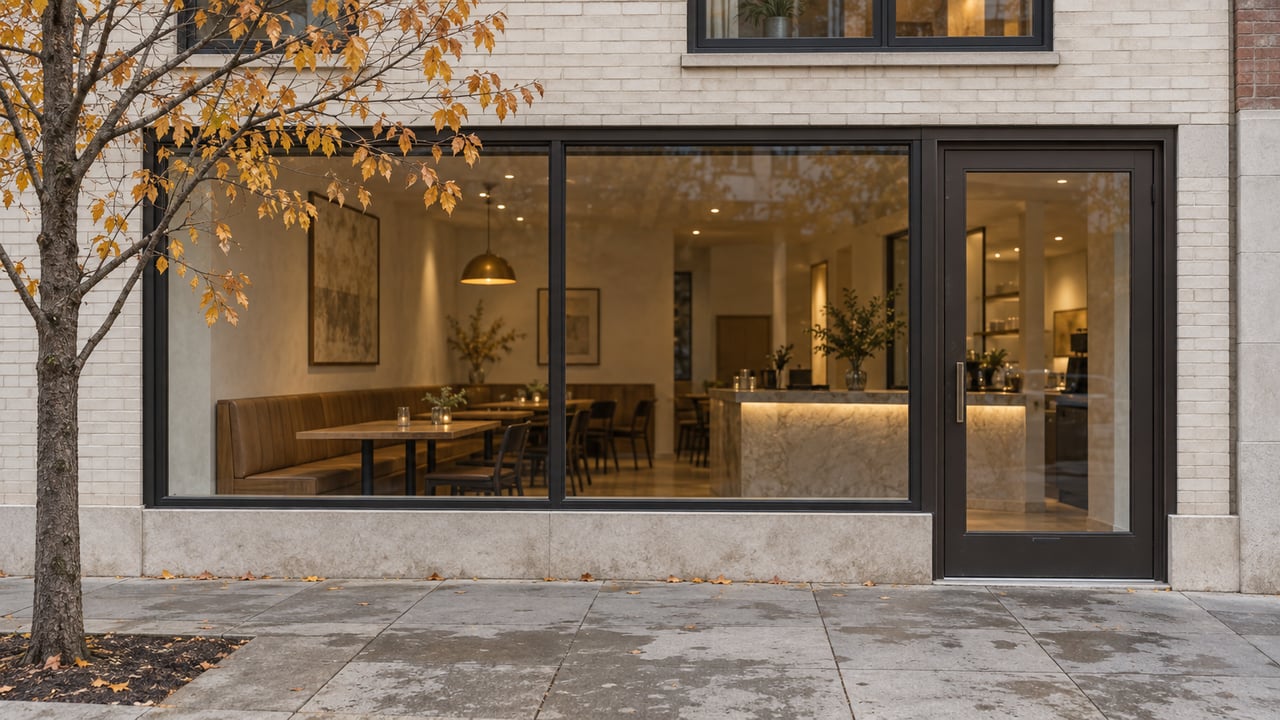
Debi Hatton is opening a French bistro on September 16. If you have walked past 6301 Meeting Street any time in the last two years, you already know her work. She is the woman behind Crust & Crumb, the bakery and café that turned a stretch of Meeting Street into a line-out-the-door destination for croissants and cheddar-jalapeño scones. Brisé, the new bistro, is not a new tenant moving into a vacant storefront. It is Hatton building a second concept directly next door to her first.
That distinction matters more than it sounds like it should. Watch a commercial strip anywhere long enough and you expect the usual churn: a lease ends, a sign comes down, a different name goes up six months later. Meeting Street does not run that way. The businesses that succeed here tend to stay and get bigger in place, rather than get replaced by someone else's concept. Brisé is the clearest example yet, but it is not the only one, and once you see the pattern you start noticing it everywhere in this neighborhood's commercial district. Keep reading: A Goshen Weekend, Planned By Someone Who Lives Here.
The Path From Cottage to Corner Storefront
Before Hatton had a storefront, she had a folding table. She spent years selling bread and pastries at local farmers' markets, building a following one loaf at a time before the neighborhood's retail infrastructure gave her a next step.
That infrastructure is the North Village Market, a set of retail cottages on Moonseed Street that Norton Commons has run since 2018 specifically to let small businesses test a customer base before committing to full commercial rent. This year's rotating lineup includes Moss Hill Bath and Body Collection, Lights by Emily, Simply Blessed Kids, Gem's Permanent Jewelry, Oh My Lollies, and Wiggle Wow, open Friday evenings and weekend afternoons through the summer and fall season. Last year's group included Crittenden Gentlemen's Clothing, Steve's Woodcrafters, De La O Boutique, and Little Mount Lavender.
Sarah Pritts, marketing director for Norton Commons, has described the point of the program directly: the cottages exist to nurture and grow local entrepreneurship, and she has pointed to how many businesses have used their cottage time as a springboard to larger retail spaces in the neighborhood, with a new lineup bringing something different every year.
Hatton's own history follows that exact arc, just before the cottage program had fully matured into what it is today. Farmers' market to storefront. Her jump was bigger than most: roughly a $500,000 build-out of a 3,500-square-foot space, developed and still owned by Louisville construction firm Ramage Co. Crust & Crumb opened there in July 2024. Two years later, she is not leaving that space or downsizing it. She is expanding into the storefront next to it.
Same Name, Second Door
Brisé is not the only recent case of a Meeting Street business growing sideways instead of turning over.
Gustavo's Mexican Grill closed its original Norton Commons location earlier this year and reopened just a few doors down in a larger space within the same commercial stretch. The business simply took more square footage a few storefronts over.
Put Hatton and Gustavo's side by side and a shape starts to emerge. In a lot of retail corridors, growth looks like a name changing on a sign. On Meeting Street, growth increasingly looks like the same name appearing twice.
For a bakery specifically, that second door solves a real limitation. Hatton built Crust & Crumb around daytime hours, breads and pastries in the morning, soups and sandwiches through lunch. But the neighborhood's dining rhythm does not stop at 3 p.m. Food Truck Fridays run all summer long, and evening diners walking Meeting Street after a Friday truck event had one more restaurant option once Brisé's doors opened than they did the week before, without a single new construction site or a single closed business making room for it.
What the Calendar Says About the Corridor
The clearest evidence that Meeting Street's business district works as a coordinated unit rather than a collection of unrelated tenants showed up on August 18, when Norton Commons hosted Late Summer Luxe. Sixteen boutiques, restaurants, and service businesses ran promotions together on a single evening, timed deliberately for what is usually a slow stretch for small retailers before fall inventory arrives. One of the night's features was a one-day Kendra Scott pop-up at the North Village Retail Cottages, with a portion of proceeds benefiting Norton Commons Elementary. You may also like: 12 Best Pet-Friendly Restaurants in Louisville KY.
That the neighborhood elementary school shows up as a beneficiary of a shopping promotion is its own small data point about how tightly the commercial district and the residential community here are wired together. It is not an anonymous strip of tenants collecting rent checks. It is a group of businesses that coordinate their calendar around a school two blocks over.
The rest of fall followed the same pattern of shared, recurring dates rather than one-off happenings. The YMCA at Norton Commons held its Trunk-or-Treat on Friday, October 17, built in partnership with Norton Commons Elementary, with a barn dance, crafts, and a pumpkin-decorating contest. Nine days later, the neighborhood held its own Fall Festival in the South Village Town Center on October 26, from 2 to 5 p.m., with trick-or-treating running the first two hours and face painting and train rides filling out the rest.
None of these events depend on a single flashy new opening to draw people out. They depend on a business district dense enough, and stable enough, that the same names can show up on the calendar year after year and still feel worth walking to.
Why the Distinction Is Worth Making
It would be easy to write this neighborhood's commercial story as a simple headline: another restaurant opened, go check it out. That version is not wrong, but it misses what is actually happening underneath it.
A retail corridor built on turnover tells you something specific about a place. Rents are unstable, concepts do not last, and residents learn not to get attached to any one business because it might not be there in eighteen months. A retail corridor built on expansion tells you the opposite. Debi Hatton is growing her business in the storefront next door. Gustavo's took a larger space a few storefronts over, rather than moving to another part of Louisville.
For anyone who has lived here through the cottage program's rotating cast, watched Crust & Crumb's line stretch onto the sidewalk, or grabbed dinner from a food truck on a Friday, that stability is not an abstraction. It is the reason the same walk from your front porch to Meeting Street keeps turning up something new to try, without ever losing the places you already count on.
Brisé opens its doors on September 16. Whatever else changes on this stretch of Meeting Street between now and next fall, the safer bet is that it will look like this again: not a new name replacing an old one, but a familiar one taking up more room.
If this is the kind of neighborhood detail you want in your inbox before it shows up anywhere else, Laura Rice & Associates keeps a close eye on how Louisville's neighborhoods actually live day to day, not just how they show up on a listing sheet. Let's Connect.