By Laura Rice and Associates
Moving to a new city is one part logistics and one part discovery, and Louisville rewards the people who approach both with intention. We help buyers and newcomers get settled throughout the metro — from the walkable corridors of the Highlands to the newer communities along the East End — and the ones who hit the ground running share a few things in common. They learn their neighborhood before they are fully unpacked, they get out early, and they give the city a real chance to show them what it is. Here is how to make your move to Louisville, KY, count from day one.
Key Takeaways
-
Louisville's neighborhoods each have a distinct character — knowing which fits your lifestyle makes the transition faster and more rewarding
-
The city's park system, bourbon culture, and food scene give newcomers immediate ways to connect with what makes Louisville distinct
-
Practical steps like updating your Kentucky driver's license and vehicle registration have a 30-day window from your move date
-
Getting involved locally — in your neighborhood, a farmers market, or a recurring community event — is the fastest way to make Louisville feel like home
Get to Know Your Neighborhood First
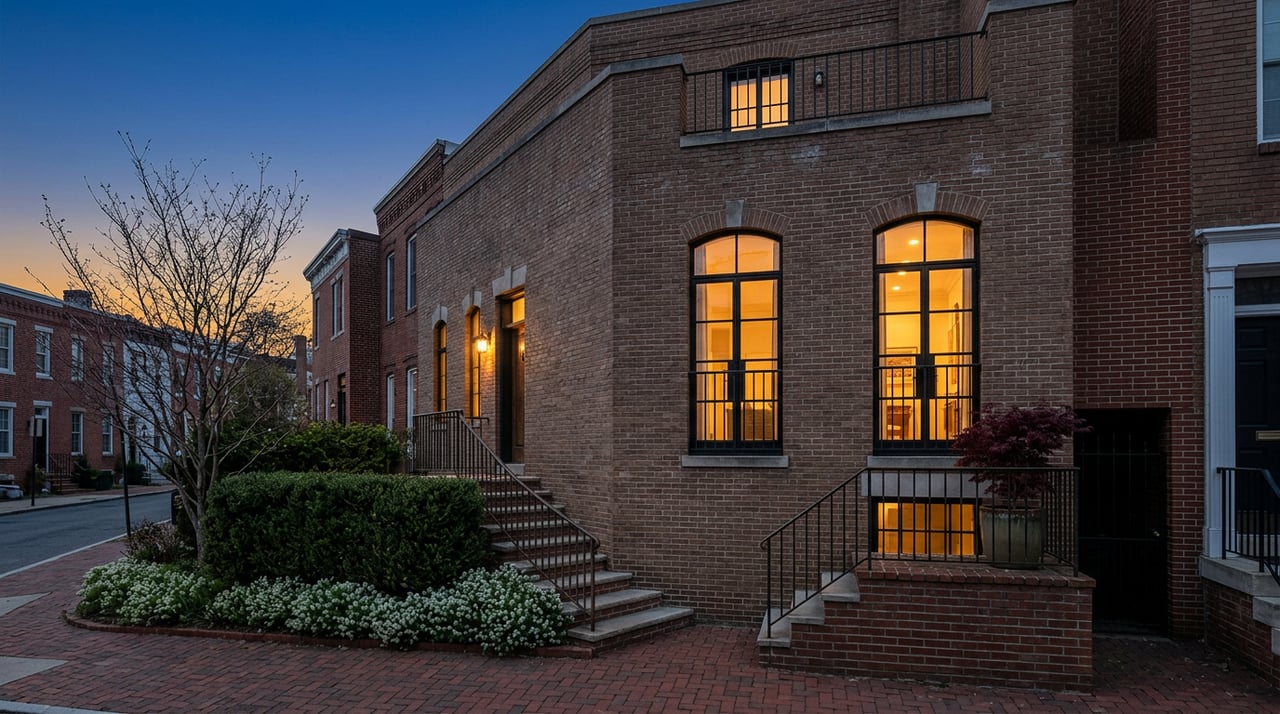
Louisville is a city of neighborhoods, and each one has its own rhythm, architecture, and identity. Spending time in yours before branching out gives you a real foundation. If you landed in Crescent Hill, walk Frankfort Avenue on a weekday morning. If you are in the Highlands, explore Bardstown Road — locally known as Restaurant Row — on foot before you look anything up.
NuLu, Louisville's revitalized arts and dining district along East Market Street, draws newcomers immediately, but it rewards the people who return regularly and notice how it evolves.
NuLu, Louisville's revitalized arts and dining district along East Market Street, draws newcomers immediately, but it rewards the people who return regularly and notice how it evolves.
Neighborhoods Worth Exploring Early
-
The Highlands and Bonnycastle: Victorian and Craftsman architecture, walkable streets, Cherokee Park access, and one of the most active dining and nightlife corridors in the city
-
Crescent Hill: Tree-lined streets, Frankfort Avenue's independent shops and restaurants, and the Gothic-style Crescent Hill Reservoir that hosts free Walking Wednesday tours
-
NuLu: Art galleries, craft breweries, chef-driven restaurants, and a creative energy that makes it one of Louisville's most talked-about districts
-
St. Matthews: A strong sense of community, easy access to shopping and dining, and a suburban ease that appeals to families and professionals alike
-
Butchertown: Renovated industrial character, proximity to Waterfront Park, and a growing food and arts scene centered on the Butchertown Market
Get Outside Early and Often
Louisville's park system is one of the city's best-kept secrets for newcomers. Frederick Law Olmsted — the landscape architect behind New York's Central Park — designed the original Louisville park system in the 1890s, and the results are still visible today across more than 120 public parks connected by a network of scenic parkways.
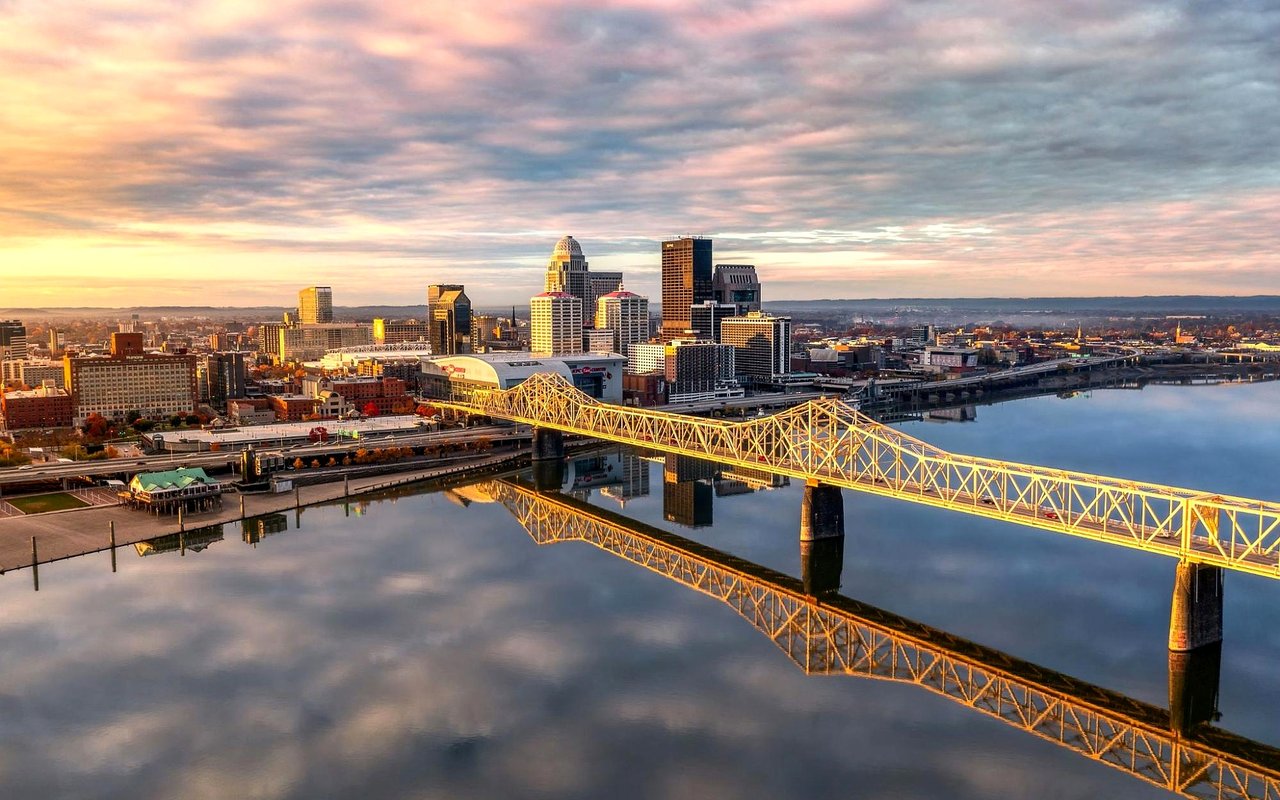
Cherokee Park's 2.4-mile scenic loop in the Highlands is a natural first stop. Waterfront Park along the Ohio River gives you 85 acres of green space and a pedestrian connection across the Big Four Bridge to Jeffersonville, Indiana. The Parklands of Floyds Fork covers more than 4,000 acres across four parks in Louisville's East End, with over 60 miles of trails for hiking, cycling, and running.
Cherokee Park's 2.4-mile scenic loop in the Highlands is a natural first stop. Waterfront Park along the Ohio River gives you 85 acres of green space and a pedestrian connection across the Big Four Bridge to Jeffersonville, Indiana. The Parklands of Floyds Fork covers more than 4,000 acres across four parks in Louisville's East End, with over 60 miles of trails for hiking, cycling, and running.
Parks to Visit in Your First Month
-
Cherokee Park for the scenic loop, dog park, and the Enid Yandell sculptures throughout the grounds
-
Waterfront Park for river views, the Big Four Bridge crossing, and weekend events along the Ohio
-
The Parklands of Floyds Fork for trail access and a sense of how much green space Louisville actually has
-
Iroquois Park for panoramic views of the city and the historic open-air amphitheater
Lean Into the Food and Bourbon Culture
Kentucky produces approximately 95% of the world's bourbon supply, and Louisville sits at the center of that heritage — home to more than ten distillery experiences within city limits and the Urban Bourbon Trail, which connects visitors and residents to distilleries, bars, and restaurants that reflect what makes this city distinctly itself. Newcomers who make time for it early tend to find it one of the fastest ways to understand Louisville.
The food scene is equally worth your attention — from chef-driven restaurants in NuLu to longstanding neighborhood institutions along Bardstown Road and Frankfort Avenue. Louisville's restaurant community is serious, locally rooted, and far more varied than most newcomers expect.
The food scene is equally worth your attention — from chef-driven restaurants in NuLu to longstanding neighborhood institutions along Bardstown Road and Frankfort Avenue. Louisville's restaurant community is serious, locally rooted, and far more varied than most newcomers expect.
Louisville Food and Culture Stops Worth Making Early
-
East Market Street in NuLu for a concentrated stretch of chef-driven restaurants and independent businesses
-
Bardstown Road for neighborhood dining ranging from casual to elevated, with a strong local-first ethos
-
The Urban Bourbon Trail for distillery experiences and an introduction to Kentucky's most defining export
-
The Speed Art Museum on South Floyd Street for a world-class permanent collection and strong rotating exhibitions
Handle the Practical Logistics Promptly
Kentucky law requires new residents to update their driver's license and vehicle registration within 30 days of establishing residency. The Kentucky Division of Driver Licensing handles license updates, and your local county clerk's office handles vehicle registration. Getting these done in the first two to three weeks removes them from your mental list and keeps you in compliance.
If your new home has a homeowners association, request the full HOA documents — bylaws, meeting minutes, and fee schedule — as early as possible so you understand what is expected and what is covered.
If your new home has a homeowners association, request the full HOA documents — bylaws, meeting minutes, and fee schedule — as early as possible so you understand what is expected and what is covered.
A New Resident Checklist for Your First 30 Days
-
Update your Kentucky driver's license at the Division of Driver Licensing
-
Register your vehicle at the Jefferson County Clerk's office
-
Locate your nearest urgent care, primary care, and emergency facilities
-
Introduce yourself to your immediate neighbors — Louisville neighborhoods tend to be genuinely welcoming
-
Find a local market or recurring community event and put it on the calendar
Get Involved Before You Feel Fully Settled
The people who make a city feel like home fastest are the ones who stop waiting until they are unpacked to start participating. Louisville has strong neighborhood associations, a thriving farmers market network — including the St. Matthews Farmers Market and the Bardstown Road Farmers Market — and a calendar of recurring community events that give newcomers immediate ways to show up.
Ways to Start Building Your Louisville Community
-
Attend your neighborhood association meeting within your first two months
-
Visit a local farmers market on a weekend morning and go back the following week
-
Find a recurring event — a weekly run club, a trivia night, a Sunday market — and make it a habit
-
Explore one new Louisville neighborhood per month until you have covered the ones that interest you most
FAQs
What is the best time of year to move to Louisville, KY?
Spring and early fall offer the most temperate weather for moving logistics, and both seasons coincide with some of Louisville's best community events — including Derby season in May and the fall festival calendar that runs through October. Summer moves are manageable but come with Louisville's characteristic heat and humidity.
How long does it typically take to feel at home in Louisville?
Most newcomers we work with start to feel genuinely settled after their first three to six months — usually once they have found their go-to spots, met a few neighbors, and experienced at least one major Louisville event. The city reveals itself gradually and rewards people who stay curious.
Is Louisville a good city for people relocating for work?
Yes. Louisville has a strong and diverse job market anchored by major employers including Humana, UPS, and Ford, as well as a robust healthcare and logistics sector. Average commute times are shorter than the national average, and the cost of living — particularly housing — makes salaries go further here than in most similarly sized metros.
Contact Laura Rice and Associates Today
Making the most of your move to Louisville, KY, starts before the boxes are unpacked. Reach out to us, Laura Rice and Associates, and we will help you find the right neighborhood, connect you with the resources you need, and make sure the transition into your new home and your new city is as smooth as possible.
Louisville is a city that grows on you quickly when you know where to look. We are here to make sure you do.
Louisville is a city that grows on you quickly when you know where to look. We are here to make sure you do.